

Views: 0 Author: Site Editor Publish Time: 2026-05-28 Origin: Site
Retailers face mounting pressure from two opposing forces today. You need to manage the rapidly rising cost of store labor. At the same time, you must maintain instant omnichannel price parity. Historically, the physical shelf edge created a massive operational bottleneck. It remained disconnected, static, and notoriously difficult to update. Managing thousands of paper tags slows down store operations drastically. It introduces constant human error. Store associates waste hours weekly swapping small pieces of cardboard. This mundane task drains staff morale. It pulls your team away from meaningful customer interactions.
Today, the solution goes far beyond a simple Digital Price Tag. Modern solutions serve as a vital data bridge. They transform the static shelf into dynamic, strategic data infrastructure. Retailers use them to enable dynamic pricing seamlessly. They protect profit margins during high-inflation periods. Ultimately, this technology forms the foundational layer for smart retail automation. You will learn how these systems work below. You will understand why they justify their investment. Finally, you will discover how to implement them effectively across your store network.
Core Function: ESLs replace paper tags with connected e-paper or LCD screens, instantly syncing shelf prices with centralized ERP/POS systems.
ROI Timeline: When factoring in labor savings, error reduction, and markdown optimization, most mid-to-large retailers achieve full payback within 12 to 24 months.
Beyond Retail: Technology applications now extend into warehouse inventory management (pick-by-light), healthcare, and corporate space management.
Future Outlook: Next-generation ESL systems are integrating with AI for automated formatting, RFID for real-time inventory tracking, and Retail Media Networks for shelf-level monetization.
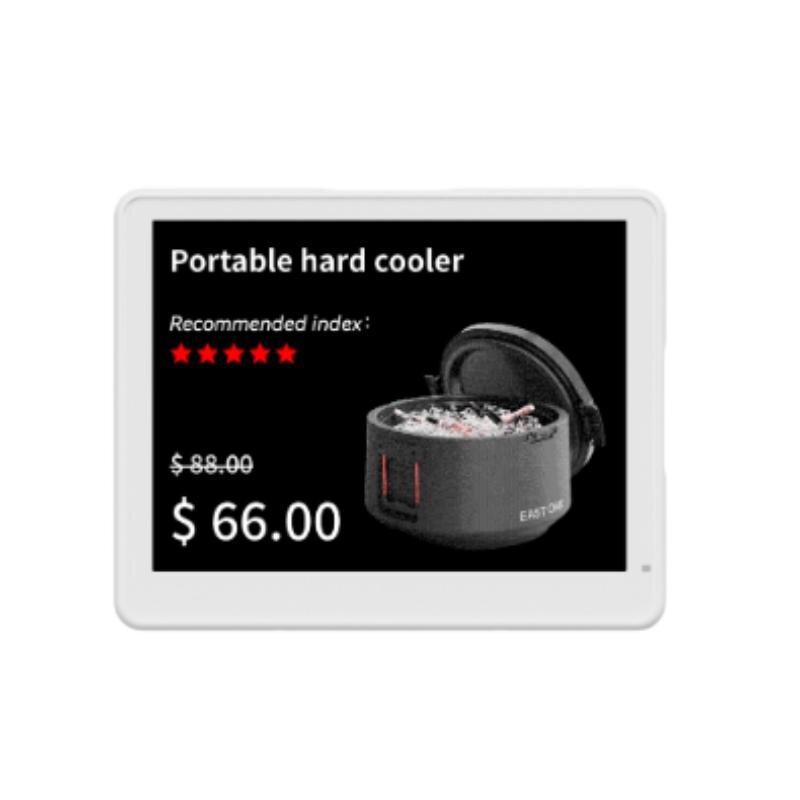
How does an Electronic Shelf Label system actually operate? The architecture relies on three primary components. First, management software lives in the cloud or on-premise servers. Cloud deployments offer seamless remote access everywhere. You can manage thousands of store locations from one central dashboard. Second, low-power wireless gateways communicate securely across the store ceiling. These gateways transmit data packets via highly encrypted channels. This robust encryption prevents unauthorized network interception. Third, the physical digital tags sit directly on the retail shelves.
Display technology dictates performance and longevity. E-paper (e-ink) dominates the industry as the gold standard. It uses tiny microcapsules holding electrically charged pigments. An electrical pulse brings the correct text to the surface. Once set, the image requires zero power to maintain. This bistable nature guarantees years of continuous battery life. It offers ultra-low power consumption and high readability. Shoppers view e-ink easily under harsh store lighting. Conversely, LCD and LED models serve different purposes entirely. Retailers reserve them for high-impact promotional end-caps. These vibrant screens demand wired power solutions.
Modern systems also feature critical two-way communication. They do not merely push price updates outward blindly. The tags send vital diagnostic data back to the central system constantly. You receive battery life alerts immediately. You get firm update confirmations after every price change. This two-way sync ensures complete visibility. It guarantees your store maintains absolute operational compliance.
You might view these tags primarily as labor-saving tools initially. However, their true value extends deeply into strategic operations. First, they enable true omnichannel pricing parity. Shoppers frequently check mobile prices while standing in your aisles. If they find the exact item cheaper on your website, they feel cheated immediately. Online and offline price discrepancies erode brand trust instantly. Digital tags eliminate this frustrating gap. You achieve total parity instantly across all sales channels.
Second, they mitigate massive compliance and legal risks. Delayed paper tag updates often lead to manual error claims at checkout. Consumer protection agencies routinely issue heavy fines for pricing inaccuracies. Automated updates ensure the physical shelf matches the register database perfectly. You eliminate audit failures and customer disputes.
Third, you gain incredibly agile pricing execution. Algorithmic pricing no longer requires manual intervention. You can adjust prices based on competitor movements instantly. Grocery stores utilize this dynamic approach for perishable goods. They drop prices automatically as expiration dates approach. This targeted strategy slashes food waste drastically. You protect your margins during flash sales effortlessly.
Finally, consider the vast Environmental, Social, and Governance (ESG) benefits. You eliminate massive amounts of recurring paper waste globally. You cut out toxic ink usage completely. You remove printing labor and plastic sleeve disposal routines. An ESL infrastructure actively supports corporate sustainability targets. It removes reliance on physical consumables entirely.
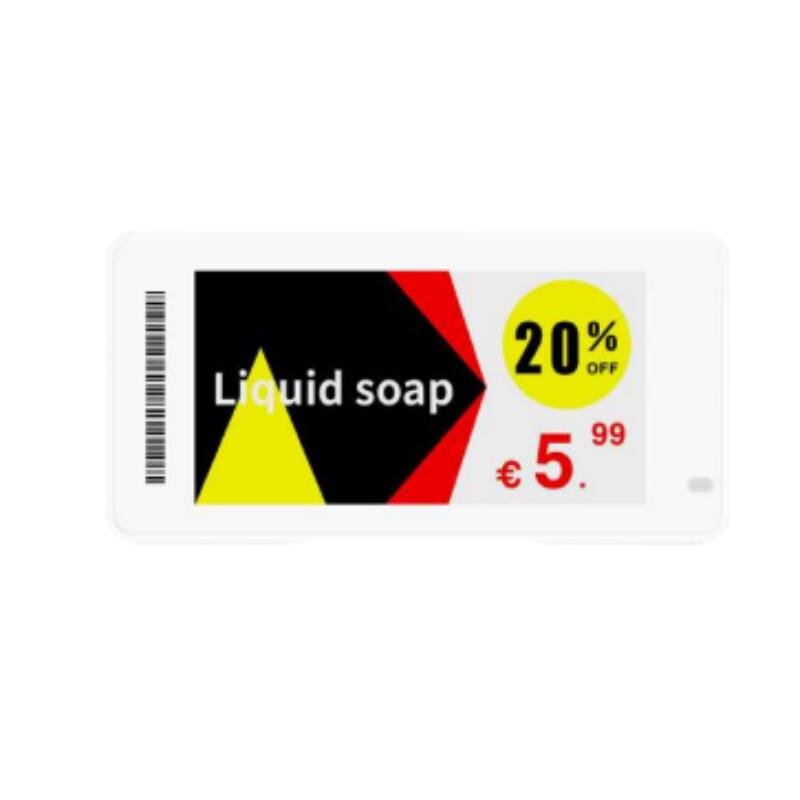
Choosing the right hardware dictates your operational success. Retailers must align display technology directly with their specific environment.
| Display Technology | Battery Life | Visual Impact | Ideal Retail Environment |
|---|---|---|---|
| Standard E-Paper | 3-7 Years | High contrast, paper-like | Grocery, Pharmacy, High-SKU environments |
| Color E-Paper | 2-5 Years | Brand-aligned spot colors | Apparel, Cosmetics, Luxury Retail |
| LCD / LED | Wired Power Needed | Full motion video, high brightness | Consumer Electronics, Promotional End-caps |
Next, evaluate your connectivity protocols carefully. Bluetooth Low Energy (BLE) offers easier hardware integration. It places a significantly lower burden on your existing store network infrastructure. On the other hand, proprietary Wi-Fi infrastructure provides incredible reach. It works ideally for massive multi-store synchronization projects.
Security and vendor lock-in demand your strict attention. Look for platforms offering open APIs natively. Require robust enterprise-grade encryption to prevent malicious price-tampering incidents. Evaluate your vendor's supply chain resilience deeply. E-ink module availability can impact large-scale store rollouts severely. A high-quality Smart Shelf Label should integrate securely into any retail POS ecosystem.
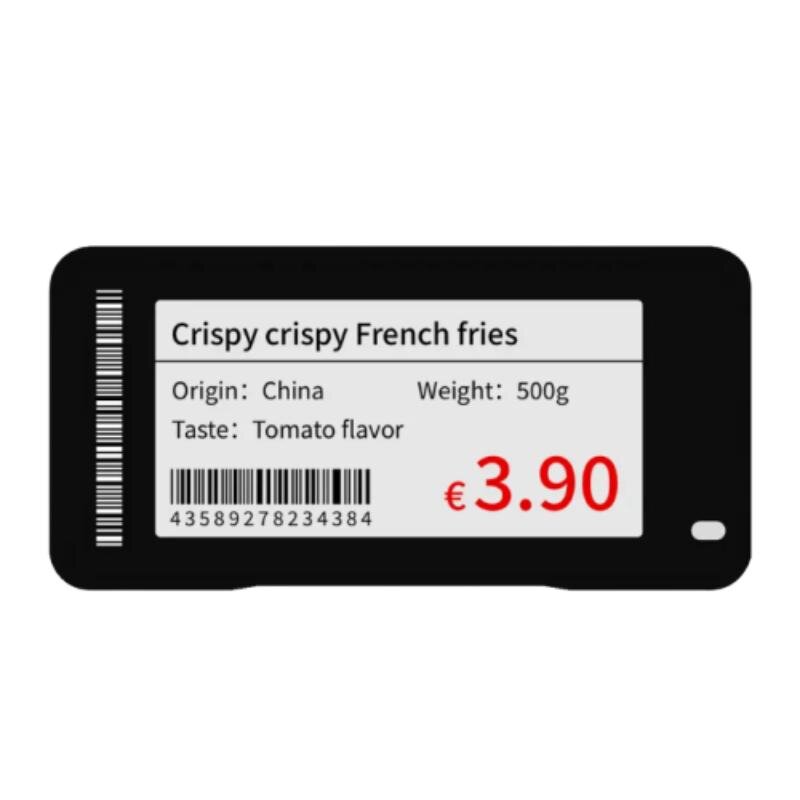
Where do these dynamic systems deliver the highest return? The applications vary wildly across different sectors.
Grocery & Large Format Retail: These high-volume, margin-thin environments require maximum speed. Managers use tags for aggressive markdown management. They streamline restocking by flashing LED indicators. This guides store associates directly to empty inventory slots.
Consumer Electronics & Apparel: Stores leverage high-resolution screens and NFC integrations heavily. Shoppers tap their phones against the shelf edge. They view extended product specs instantly. They read peer reviews or order home delivery for out-of-stock sizes.
Pharmacy & Cosmetics: Pharmacy shelves hold highly sensitive inventory. Real-time tracking protects critical stock levels and monitors expiration dates. Beauty retailers connect physical shelves to AR experiences. Customers scan tags to launch virtual makeup trials via smartphones.
Industrial & Enterprise Use Cases: Technology extends far beyond traditional retail environments today. Warehouses utilize robust pick-and-put-by-light workflows. Corporate offices use digital tags for agile desk sharing. They deploy them globally as real-time meeting room booking displays.
Understanding the investment requires breaking down the core elements. The cost equation includes physical hardware primarily. You must purchase the electronic tags and proprietary mounting rails. Next, factor in network gateway hardware arrays. You also need to calculate annual software licensing fees. Finally, budget accurately for professional deployment services.
Most mid-to-large retailers achieve a full payback period within 12 to 24 months. This rapid ROI model stems from several compounding factors. You reclaim thousands of employee hours annually. Staff members shift from manual tagging to dedicated customer service. Increased promotional sales lift also drives new revenue directly. Furthermore, error reduction prevents costly margin leaks at the checkout counter.
Follow a proven three-step rollout strategy for successful deployment:
Phase 1 (Pilot): Deploy the system in high-turnover or high-promotion categories exclusively. This limited scope allows you to validate core assumptions safely.
Phase 2 (Measurement): Track labor reallocation carefully. Monitor price accuracy over one or two intense promotional cycles. Document the operational improvements thoroughly.
Phase 3 (Scale): Execute your chain-wide expansion confidently. Standardize your change-management processes. Roll out comprehensive staff training modules across all regional locations.
What does the near future hold for the physical shelf edge? Rapid advancements continuously redefine retail execution strategies.
Artificial intelligence revolutionizes tag management completely. Generative AI automates complex multi-lingual layouts. It optimizes promotional formatting without any human design intervention. The system resizes text dynamically for optimal readability. It highlights discount percentages automatically.
Retail Media Networks (RMNs) represent another massive revenue shift. They transform the physical shelf edge into highly monetizable digital space. Fast-Moving Consumer Goods (FMCG) brands pay you directly. They display targeted ads on your Electronic Price Label screens. You generate completely new revenue streams from existing shelf space.
Checkout-free and autonomous stores rely entirely on connected infrastructure. Digital tags integrate smoothly alongside overhead IoT cameras. RFID sensors track inventory movements instantly. Together, they support frictionless grab-and-go retail models.
Sustainability advancements keep pushing technological boundaries further. Solar-powered tags now harvest ambient indoor store light. They operate efficiently under standard LED store fixtures. This massive breakthrough eliminates battery replacement cycles completely. It reduces e-waste and maintenance overhead significantly.
A digital pricing system no longer functions as a luxury efficiency tool. It acts as a mandatory data bridge today. It connects your digital pricing algorithms directly to the physical customer. Retailers clinging to paper processes will rapidly lose competitive agility. They will suffer margin erosion and decreased customer loyalty.
Decision-makers must take immediate action. Begin by auditing your current relabeling labor costs thoroughly. Understand exactly how many hours your team burns weekly. Assess your store's Wi-Fi capacity and network readiness. Finally, initiate a tightly scoped pilot program. Partner directly with a vendor offering an open API architecture. Transform your static shelves into a dynamic retail advantage.
A: Most standard e-paper labels last between three to seven years. Battery longevity depends heavily on your daily update frequency. Operating temperatures also impact lifespan significantly. For instance, tags placed inside industrial freezers drain batteries much faster than those in ambient grocery aisles.
A: Modern enterprise systems are highly secure. They utilize enterprise-grade encryption for all data transmissions. Vendors employ proprietary RF protocols and secure Bluetooth channels. Centralized authentication prevents bad actors from accessing the gateway. These multiple security layers make unauthorized price tampering practically impossible.
A: Yes. Leading label solutions prioritize an API-first architecture. They plug seamlessly into major retail management systems. This integration synchronizes your existing point-of-sale software, ERP platforms, and ecommerce inventory databases directly with the physical store shelves.
A: No. The industry has shifted heavily toward accessible cloud-based SaaS models. Smaller retailers can purchase DIY installation kits today. You no longer need massive upfront server investments. This shift dramatically lowers the barrier to entry for single-location boutiques.


