
 English
In recent years, NFC (Near Field Communication) technology has transformed the way we interact with various systems, offering quick, secure, and contactless communication. One of the most popular applications of NFC technology is the NFC key fob. This small device has made a significant impact in industries such as access control, payments, and event management. In this article, we will explore what an NFC key fob is, how it works, its uses, and the advantages it offers over traditional alternatives.
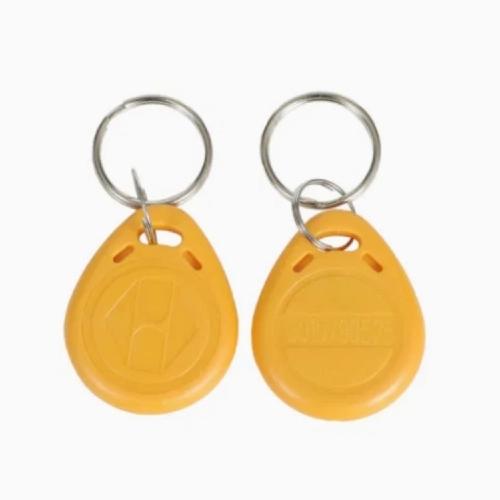
An NFC key fob is a small, portable device embedded with an NFC chip and an antenna. These key fobs are typically used in access control systems, secure entry management, and other areas where contactless identification is required. NFC key fobs are widely used because of their convenience, security, and ability to integrate with existing systems for fast data exchange.
NFC key fobs are compact and lightweight, making them easy to carry as part of a keychain or as a standalone accessory. They contain a microchip that stores unique data, which can be transmitted wirelessly to a nearby NFC-enabled reader or device. This data transmission occurs when the key fob is brought close to an NFC reader, typically within a few centimeters.
An NFC key fob consists of two main components:
Microchip: The microchip stores the data (such as a unique identification number) that the NFC key fob will transmit to the reader or device.
Antenna: The antenna facilitates communication between the key fob and the NFC reader. It allows the transmission of data via electromagnetic induction.
These components are housed within a durable casing, usually made from ABS plastic, making the key fob resilient to physical damage and wear.
NFC technology is based on electromagnetic induction, which enables data exchange between devices without direct contact. Here’s how an NFC key fob works:
Activation: When the NFC-enabled device (such as a smartphone or an access control reader) is brought close to the NFC key fob, the reader generates an electromagnetic field that powers the tag, which does not have its own power source.
Data Transmission: Once the key fob is powered, it transmits the stored data (such as a unique ID or access credentials) to the NFC-enabled device.
Action Execution: The NFC-enabled device receives the data and performs an action based on the information transmitted by the key fob. This could involve unlocking a door, initiating a payment, or providing access to a service.
Unlike traditional key fobs that use mechanical or magnetic systems to unlock doors or perform actions, NFC key fobs provide a more modern and secure method of communication through radio frequency.
In access control systems, NFC key fobs are used to grant or deny access to secured areas. The key fob acts as a form of identification, and the reader matches the transmitted data with the authorized access list. This process happens almost instantly, allowing for seamless and secure access.
The most common use for NFC key fobs is in access control systems. These systems are used in offices, residential buildings, hotels, gyms, and secure facilities to control entry. NFC key fobs provide an easy and secure way for authorized individuals to gain access to restricted areas.
Keyless Entry: NFC key fobs eliminate the need for physical keys or traditional swipe cards, making it easier for users to access secure locations with just a tap.
Security: Since NFC key fobs can be programmed to include encrypted data, they offer a higher level of security compared to traditional RFID or magnetic cards.
Convenience: Access control with NFC key fobs is quick and seamless, allowing for contactless access within seconds.
Another widespread use of NFC key fobs is for contactless mobile payments. NFC-enabled key fobs can be used to make payments at compatible payment terminals by simply tapping the fob near the reader. This feature is commonly used in public transportation systems, parking garages, and convenience stores.
Tap-to-Pay: NFC key fobs enable a tap-to-pay experience, allowing users to make quick, secure transactions without needing to swipe or insert cards.
Security: Like other NFC-based payment systems, key fobs use encryption to ensure the security of the transaction.
In businesses, NFC key fobs are often used for employee identification. These fobs can be programmed with an employee’s credentials and used to clock in and out of work, track attendance, or grant access to certain areas within a facility.
Time Tracking: By scanning their NFC key fob, employees can log their working hours and ensure accurate time tracking for payroll purposes.
Access to Secure Areas: Employees can use their key fobs to access restricted areas within the building, such as server rooms or confidential offices.
NFC key fobs are also popular for event management and conference attendance. Event organizers often distribute NFC key fobs to attendees, who can use them to check in, access sessions, and interact with event content.
Easy Registration: NFC key fobs can streamline the registration process by allowing attendees to simply tap their fob at check-in counters.
Tracking Attendance: Event organizers can track attendee movements, monitor session participation, and even provide customized experiences based on scanned data.
In addition to the applications listed above, NFC key fobs can be used in various other industries:
Healthcare: NFC key fobs can be used for patient identification, medical record access, and equipment management in healthcare settings.
Loyalty Programs: Some businesses use NFC key fobs as part of loyalty or membership programs, where users can tap their fob to earn points or access exclusive deals.
NFC key fobs are incredibly convenient. With a simple tap, users can gain access to secure areas, make payments, or complete other tasks. The simplicity of this process enhances the user experience and increases adoption across various industries.
NFC key fobs are cost-effective compared to traditional security systems. Since they are small, durable, and easy to produce, businesses can afford to deploy them in large quantities without a significant financial investment.
One of the main advantages of NFC key fobs is their security. Unlike traditional key systems that can be easily copied or lost, NFC key fobs use encrypted data transfer, making them much harder to duplicate or hack. This ensures a higher level of security for both personal and business applications.
NFC key fobs are typically made from durable materials such as ABS plastic, which makes them resistant to wear and tear. This durability makes them suitable for long-term use in demanding environments, such as construction sites, warehouses, and public transportation.
NFC key fobs are available in a variety of designs, colors, and customization options. Whether for branding, personalization, or different functional needs, businesses can choose the best design for their use case.
While both NFC key fobs and traditional key fobs serve similar purposes (access control and identification), NFC key fobs offer several advantages:
Feature | NFC Key Fob | Traditional Key Fob |
Data Transmission | Wireless, encrypted data transfer | Mechanical or magnetic communication |
Security | Encrypted, hard to duplicate | Easier to duplicate and steal |
Range | Short-range (typically up to 10 cm) | Typically requires closer contact |
Power Source | Passive, no internal battery required | Mechanical, uses a physical key |
Durability | Resistant to wear and tear, waterproof | Can wear out or break over time |
NFC key fobs offer higher security due to encryption and the short communication range. Traditional key fobs may be more prone to duplication or physical damage.
When choosing an NFC key fob, consider the following factors:
Compatibility: Ensure the key fob is compatible with your existing access control or payment system.
Durability: Depending on the environment (indoor/outdoor), choose a fob with the appropriate durability.
Customization Options: If branding is important, look for customizable options for color, design, or laser engraving.
Different use cases will require different types of NFC key fobs. For example:
Access Control: Choose fobs with high durability and secure encryption.
Event Management: Opt for lightweight and customizable key fobs.
Mobile Payments: Ensure compatibility with mobile payment systems.
The future of NFC technology holds exciting potential. As NFC technology continues to evolve, we can expect more advanced security features, integration with IoT devices, and faster data transfer capabilities. NFC key fobs will continue to play a key role in enhancing the user experience across industries.
As contactless systems become increasingly popular, the demand for NFC key fobs will likely rise. With the continued expansion of NFC technology in areas like smart homes, smart cities, and wearables, NFC key fobs will become even more integral to our daily lives.
In conclusion, NFC key fobs offer a secure, efficient, and cost-effective solution for various applications such as access control, mobile payments, and employee identification. Their simple design, combined with robust security features, makes them a top choice for businesses and individuals seeking reliable, modern solutions. Whether used in office buildings, event venues, or for seamless contactless payments, NFC key fobs have become essential tools in contemporary security systems and digital transactions.
At Shenzhen Jianhe Smartcard Technology Co., Ltd., we specialize in providing high-quality NFC key fobs tailored to meet the needs of our customers. With our extensive experience in the industry, we offer customizable solutions for businesses of all sizes, ensuring seamless integration into your existing systems. If you're looking to enhance your security and payment processes with reliable NFC technology, we encourage you to reach out to us for more information or to discuss how we can support your specific requirements. Let us help you take advantage of the benefits that NFC technology brings to your business.
What is an NFC key fob used for?
An NFC key fob is used for access control, secure identification, contactless payments, and more. It allows users to interact with NFC-enabled systems without physical contact.
How does an NFC key fob work?
NFC key fobs communicate wirelessly with NFC-enabled readers by transmitting encrypted data stored in the key fob when it is brought close to the reader.
Can NFC key fobs be used for payments?
Yes, NFC key fobs are commonly used in contactless payment systems for fast, secure transactions.
Are NFC key fobs secure?
Yes, NFC key fobs are generally very secure due to their encrypted communication and short-range functionality, which reduces the risk of data interception.
How do I choose the right NFC key fob?
Consider factors such as compatibility with your system, durability, customizability, and specific use case when selecting an NFC key fob for your business or personal use.


