
 English
Views: 0 Author: Site Editor Publish Time: 2025-09-06 Origin: Site
In an era where convenience, security, and connectivity drive innovation, NFC chip wristbands have emerged as a leading solution for a variety of applications. From cashless payments and access control to event management and healthcare monitoring, these smart wristbands are transforming the way we interact with technology. Their rise reflects a broader shift toward contactless technology, which prioritizes efficiency, hygiene, and seamless integration into daily life.
This article explores the advantages, applications, and future prospects of NFC chip wristbands, explaining why they are not a passing trend but a permanent fixture in both personal and professional settings.
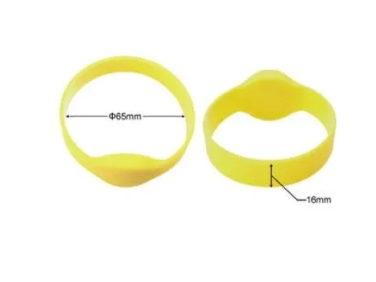
NFC (Near Field Communication) is a wireless technology that allows two devices to communicate when placed in close proximity, typically within a few centimeters. NFC chip wristbands embed a tiny NFC chip into a wearable band, often made from silicone, fabric, or plastic.
The embedded chip stores digital information, which can be accessed by compatible devices such as smartphones, payment terminals, or access control systems. Unlike traditional RFID, NFC offers enhanced security, faster interaction, and broader compatibility with consumer electronics.
Wearers simply tap or wave their wristband near a reader to complete transactions, gain access, or share data, making these devices an elegant solution for the modern demand for contactless interactions.
One of the most significant benefits of NFC chip wristbands is their unmatched convenience. In today’s fast-paced world, carrying multiple cards, keys, or cash can be cumbersome and prone to misplacement. NFC wristbands consolidate multiple functions into a single, wearable device. Users can make contactless payments at retail locations, restaurants, or events simply by tapping their wrist, eliminating the need to fumble with wallets or purses.
In addition, these wristbands simplify access control for offices, gyms, hotels, and residential complexes. By scanning a single wristband, individuals can unlock doors, enter restricted areas, or even gain access to parking facilities. For events, festivals, or amusement parks, NFC wristbands enable quick check-ins, reducing lines and improving overall attendee experience. The combination of speed and convenience makes NFC wristbands especially valuable in high-traffic environments, where every second counts.
Security is a crucial aspect of digital transactions and access management, and NFC wristbands excel in this regard. These devices utilize encrypted communication, ensuring that sensitive information such as payment details or personal credentials cannot be easily intercepted or cloned. Many wristbands also support temporary or single-use credentials, providing added protection against unauthorized access. For businesses, this means reduced risk of fraud, improved accountability, and greater trust from users.
In a world increasingly focused on health and safety, minimizing physical contact is essential. NFC wristbands facilitate completely contactless interactions, reducing the number of shared surfaces that could harbor germs. This is particularly valuable in crowded environments, such as concerts, gyms, hospitals, or public transportation, where traditional cards or cash might increase the risk of cross-contamination. The wristbands allow seamless transactions, check-ins, or access without compromising hygiene.
Modern NFC wristbands are engineered for long-term durability and comfort. Made from materials such as silicone, woven fabric, or lightweight plastics, these wristbands are resistant to water, sweat, and daily wear. They are flexible enough for continuous wear, whether during sports, fitness activities, healthcare routines, or hospitality applications. The combination of robustness and comfort ensures that users can rely on their wristbands daily without discomfort or fear of damage, making them suitable for both professional and recreational use.
The versatility of NFC chip wristbands has led to adoption in multiple sectors:
Concerts, sports events, and festivals have embraced NFC wristbands for ticketing and cashless payments. Attendees can enter venues, purchase food, and access VIP areas with a single tap. Event organizers benefit from reduced fraud, faster lines, and valuable data on attendee behavior.
Hotels, resorts, and theme parks use NFC wristbands to grant guests access to rooms, facilities, and attractions. These wristbands simplify check-ins, replace traditional keys, and improve the overall customer experience.
Hospitals and wellness centers use NFC wristbands to track patient information, medication schedules, or exercise programs. This approach minimizes errors, improves efficiency, and enhances patient safety.
Companies implement NFC wristbands to regulate building entry, track attendance, and manage secure areas. The convenience of a wearable solution reduces the need for physical ID cards and supports smart office initiatives.
Some cities have started integrating NFC wristbands with public transport systems, enabling seamless ticketing and reducing reliance on paper tickets or traditional cards.
Beyond functionality, NFC wristbands create engaging experiences for users:
Personalization: Wristbands can be customized with colors, logos, or even embedded screens to reflect the event or brand.
Analytics: Data collected from wristband interactions helps businesses understand customer behavior, optimize layouts, and improve services.
Integration with Apps: Many wristbands pair with mobile apps to provide notifications, rewards, or activity tracking, creating a connected ecosystem that enhances convenience and loyalty.
The adoption of NFC chip wristbands is expected to expand significantly in the coming years. Emerging trends include:
Future wristbands may integrate additional sensors for heart rate monitoring, temperature measurement, or even location tracking, providing a richer data set for users and service providers alike.
Advancements in encryption and authentication methods will make NFC wristbands even more secure, allowing their use in sensitive sectors such as finance, healthcare, and government.
As society becomes increasingly contactless, NFC wristbands could become part of everyday routines—from office access and public transit to fitness tracking and cashless shopping.
Manufacturers are exploring eco-friendly materials and reusable NFC chips to reduce waste, aligning with the growing emphasis on sustainable technology.
To maximize the benefits, businesses and consumers should consider:
Material Quality: Ensure the wristband is durable, comfortable, and water-resistant.
Compatibility: Check that the NFC chip works with the intended devices and systems.
Data Security: Look for wristbands with encryption and secure authentication.
Customization Options: Branding and personalization may enhance engagement, particularly for events or customer-facing applications.
NFC chip wristbands are more than just a convenience—they represent a fundamental shift toward contactless, secure, and integrated experiences across industries. From event management and hospitality to healthcare and corporate access, these wearable devices offer unmatched versatility, efficiency, and user satisfaction.
As technology continues to evolve, NFC wristbands will likely integrate more functions, provide deeper insights, and become an essential part of modern life. Their combination of durability, convenience, and security ensures they are here to stay, revolutionizing the way we interact with technology on a daily basis.
For businesses and organizations seeking reliable, high-quality NFC wristbands, Shenzhen Jianhe Smartcard Technology Co., Ltd. offers advanced solutions tailored to diverse applications, providing the expertise and products needed to harness the full potential of contactless technology.


