

Views: 0 Author: Site Editor Publish Time: 2026-06-01 Origin: Site
Wearable technology has rapidly evolved far beyond basic admission control. Today, the RFID Wristband serves as mission-critical infrastructure for operational efficiency, revenue growth, and enhanced security. However, decision-makers often struggle to align the correct radio frequency, material choice, and software integration with their specific industry constraints. A water park's high moisture environment, a hospital's strict compliance protocols, and a music festival's massive crowd scale all present entirely different operational challenges. Choosing the wrong system leads to severe access bottlenecks and compromised consumer data.
This B2B-focused guide provides an objective evaluation framework to solve these specific challenges. We will help you select, scope, and deploy the right wearable technology tailored exactly to your environment. You will discover how to match hardware capabilities to your site's physical demands. Ultimately, you will learn to maximize the guest experience while safeguarding backend data systems.
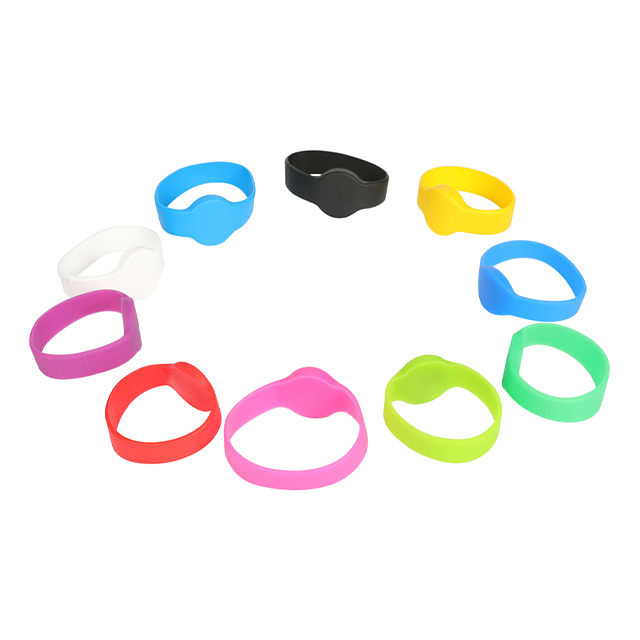
Revenue Impact: Cashless RFID systems remove the "psychological friction of paying" and solve the "soggy cash" problem, reliably increasing per-capita spending.
Frequency Matters: High-Frequency (HF) is the gold standard for tourist interaction, while Ultra-High-Frequency (UHF) excels in non-line-of-sight medical tracking.
Privacy Reality: Passive RFID wristbands use node-based checkpoint data, not live GPS tracking, which is critical for navigating consumer privacy concerns.
Legacy barcode scanning creates major operational bottlenecks. Barcodes require direct line-of-sight to function. Staff must physically align scanners, which drastically slows down queues and frustrates arriving guests. Passive radio frequency identification changes this dynamic entirely. It allows rapid, wave-through access at gates. Guests simply walk past proximity readers, and the system instantly validates their entry. This eliminates friction and moves massive crowds smoothly.
Beyond crowd movement, these wearables act as a powerful cashless revenue multiplier. Secure digital wallets link directly to the wearable. Guests leave physical wallets safely secured in lockers. This solves the infamous "soggy cash" problem common in aquatic environments. Furthermore, tapping a wrist to pay eliminates the psychological friction of paying. Visitors no longer count physical bills. They make more spontaneous impulse purchases at food and merchandise stands, which significantly drives up per-capita spending.
Operators also gain granular access control and dynamic crowd management. Node-based check-ins happen at specific zones. They allow operators to instantly grant or revoke VIP area access. You can monitor venue density using real-time heat maps. If a specific stage or pool area approaches capacity, you can deploy staff dynamically to reroute traffic. This proactively prevents overcrowding and enhances overall safety.
Finally, transitioning to digital wearables supports strong ESG and sustainability narratives. Single-use paper tickets generate enormous waste. They negatively impact your carbon footprint. Modern silicone or fabric alternatives offer reusable or recyclable options. For instance, many festivals now pair their digital wearables with reusable cup deposit systems. Guests tap their wrist to return a cup, reclaiming a digital deposit. This dramatically reduces plastic waste and reinforces eco-friendly branding.
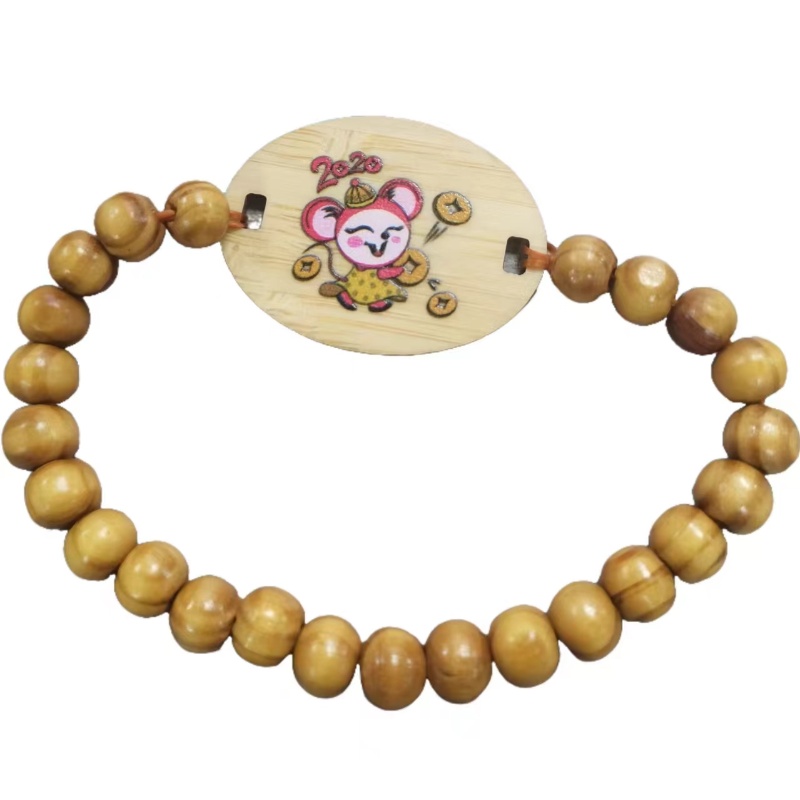
Understanding the underlying hardware ensures a successful deployment. Most commercial deployments use passive systems rather than active ones. Passive chips contain no internal batteries. They draw their operating power directly from the reader's emitting radio waves. This design keeps unit hardware exceptionally light and highly reliable. It also makes them viable for massive, thousands-strong visitor deployments.
You must choose the correct frequency for your specific operational goals. High-Frequency (HF) and Ultra-High-Frequency (UHF) serve completely different purposes.
Frequency Capability Comparison | |||
Frequency Type | Read Range | Primary Interaction | Best Use Case |
|---|---|---|---|
| Low-Frequency (LF) | Up to 10 centimeters | Very close-range identification | Animal tracking, access control, industrial environments |
High-Frequency (HF / NFC) | Up to 10 centimeters | Intentional tap or wave | Cashless payments, lockers, VIP entry |
Ultra-High-Frequency (UHF) | Up to 2+ meters | Passive background scan | Inventory tracking, patient monitoring |
Low-Frequency (LF) technology operates at 125–134.2 kHz and is highly resistant to interference from water, metal, and harsh environmental conditions. Although its reading distance is limited, LF provides reliable identification in industrial settings, animal tracking systems, and basic access control applications.
HF technology operates at 13.56 MHz. It represents the absolute gold standard for intentional, close-range interactions. Guests tap their wrist against a reader to buy food, open lockers, or enter premium zones. It requires deliberate action, preventing accidental scans. Conversely, UHF excels in medium-to-long-range tracking. It can read tags from over two meters away without direct user interaction. This makes it ideal for specialized tracking where deliberate tapping is impossible.
Data storage realities often surprise first-time buyers. Passive tags typically hold only up to 3KB of data. You should never store complex personal profiles on the chip itself. Best practice dictates storing minimal, localized data on the wearable. You embed a simple Unique ID (UID). You keep all sensitive personal information secured separately in your backend database. This architecture protects users if they lose their wearable. It also allows offline validation during temporary network drops, using basic credential tokens stored directly on the chip.
Different environments punish physical hardware in unique ways. You must match the external material to the environmental rigors of your facility.
Aquatic environments demand absolute waterproofing. Silicone and durable plastics provide the necessary resistance against prolonged chlorine and sun exposure. These materials remain comfortable during multi-day wear. They dry instantly and resist tearing. Key operational features include direct integration with electronic locker systems. You can also implement family-linked digital accounts. Parents preload funds onto their children's accounts. They set strict daily spending limits, giving kids autonomy while preventing budget overruns.
Music festivals prioritize aesthetics, brand value, and security. Woven fabric offers a high perceived value. Attendees often keep them for months as souvenirs. The fabric remains highly breathable during intense physical activity. Crucially, these fabric solutions incorporate strict anti-fraud measures. They utilize tamper-proof locking teeth. Once tightened, guests cannot remove or transfer them without destroying the fabric. Serialized UIDs and specialized holographic additions further eliminate large-scale counterfeiting threats.
Medical environments prioritize sanitation and patient safety above all else. Thermal and hypoallergenic materials are mandatory. They utilize medical-grade, antimicrobial coatings to prevent hospital-acquired infections. Staff use direct thermal printing to encode patient data instantly. This eliminates the need for messy ink ribbons in sterile zones.
Unlike agriculture, which relies on rugged, lifetime-use items like a laser engraved ear tag for livestock management, human medical tracking prioritizes short-term patient comfort. The materials must never irritate sensitive skin. Furthermore, hospitals leverage UHF frequencies brilliantly. Nurses can scan patients right through thick blankets. This prevents cross-infection and avoids waking sleeping patients. Hospitals also install ceiling-mounted UHF readers to create anti-wander geofencing for vulnerable dementia patients.
Consumer privacy fears often derail new technology rollouts. You must address the "GPS Tracking" myth transparently. Many guests mistakenly believe these wearables track their exact physical movements in real-time via satellites. You should explain clearly that the technology does not use GPS. Instead, it creates a simple "traffic data log" via physical scans. The system only registers a location when the guest deliberately interacts with a physical reader checkpoint.
Data security forms the backbone of any cashless deployment. Modern encrypted chips prevent unauthorized cloning and skimming. You achieve true security through strict data separation. You separate the UID located on the physical hardware from the Personally Identifiable Information (PII). You store the PII safely within the heavily firewalled backend POS or hospital database. If someone steals a wristband, they only acquire a meaningless string of numbers. They cannot access credit card numbers or home addresses.
Medical and age-restricted deployments require rigid compliance frameworks. Serving alcohol at festivals requires strict born-date verification. The system reads the UID, pings the database, and flashes a green light for approved adults. Healthcare applications face even stricter regulatory hurdles. Implementing electronic health record (EHR) integrations demands robust access controls. You must meet all HIPAA privacy standards. The system must automatically log which staff member accessed which patient's file via their specific wearable interactions.
Physical environments frequently interfere with radio signals. You must understand these technical limitations before you install your readers. Metal structures reflect radio waves unpredictably. High water density absorbs signals. Human bodies consist mostly of water, making large crowds a massive source of signal interference. You must conduct rigorous, onsite physical surveys. You test reader placement extensively to eliminate dead zones before opening your doors to the public.
System integration requires meticulous planning beyond the hardware unit itself. A successful rollout requires aligned infrastructure. You need properly configured upfront hardware, including scanners and tuned antennas. Middleware platforms require exact calibration to ensure they talk to your existing databases. Backend POS integration demands extensive load testing. Furthermore, you must dedicate significant hours to staff training. Employees must know how to troubleshoot unreadable chips and process manual overrides quickly.
Deployment timelines routinely challenge operators. Highly customized, serialized bands require long manufacturing lead times. Factories need time to embed chips, print variable data, and apply tamper-evident closures. You risk severe delays if you rush the process. Buyers should finalize artwork, security specifications, and database architectures months ahead of their actual launch dates. Rushed integrations almost always result in opening-day software crashes.
Selecting the right manufacturing and software partner dictates your ultimate success. Use this objective checklist when evaluating potential B2B vendors.
Hardware Agnosticism: Ensure the vendor's hardware complies with standard ISO protocols. For HF systems, they must support ISO 14443 standards. This guarantees seamless integration with your existing POS terminals or legacy access control hardware. Proprietary, locked-down chips limit your future software choices.
Customization & Turnaround: Assess their capacity for complex variable data printing. Can they print unique QR codes as fallbacks? Evaluate their custom branding quality. Most importantly, verify their ability to handle emergency rush orders if you experience sudden ticket sales surges.
Security Add-ons: Scrutinize their available secondary security features. Look for woven UV threads that glow under blacklight. Check for laser-etched serial numbers. Inspect the physical integrity of their tamper-evident closures.
Next Step - Sample Testing: Never sign a contract based solely on digital renderings. Request a physical sample kit. You must test the material durability firsthand. Run the sample chips against your current operational scanners to verify read speed and reliability.
Modern digital wearables offer far more than simple gate access. They operate as comprehensive, data-gathering ecosystems that streamline operations and maximize revenue. Transitioning from legacy barcodes to passive radio frequency systems eliminates severe queuing bottlenecks. They keep cash safely stored away, significantly boosting impulse purchases across your venue.
Choosing the right technical specifications ensures a seamless guest experience. You must match your frequency—whether HF for intentional payments or UHF for background medical tracking—to your operational reality. Likewise, selecting the appropriate material prevents hardware failure in harsh aquatic or clinical environments. Robust backend data separation guarantees consumer privacy and protects your brand from security breaches.
We encourage B2B operators to take a methodical approach. Map out your current POS software compatibility first. Define your precise environmental constraints. Then, contact a specialized hardware manufacturer for a deep technical consultation. Always secure a physical sample kit to run localized field tests before fully committing to a massive deployment.
A: No, most commercial applications use passive technology. Passive chips do not contain batteries and never need charging. They draw their operating power directly from the emitting radio waves of the physical reader during the scan.
A: Most commercial passive wearables hold between 1KB to 3KB of data. This small capacity is strictly used for storing a Unique ID (UID) and essential credential tokens. It is never used to store full personal profiles or credit card numbers.
A: Yes, they are highly water-resistant. Materials like medical-grade silicone and PVC plastics are fully waterproof. Manufacturers engineer these specific models for extended use in water parks, resort pools, and high-humidity spa environments.
A: NFC (Near Field Communication) is actually a specific sub-category of High-Frequency RFID. It operates exactly at the 13.56 MHz frequency. Engineers designed NFC specifically for secure, close-range proximity interactions, making it the standard for digital payments.


