

Views: 0 Author: Site Editor Publish Time: 2026-11-04 Origin: Site
Many industrial assets cannot be identified effectively with traditional adhesive RFID labels. Cables, pipes, tools, containers, and irregular equipment often have curved surfaces or harsh operating conditions where ordinary labels may fail to remain attached.
RFID Cable Tie Tags provide a practical alternative by combining RFID identification technology with a secure fastening structure. They allow businesses to track assets that are difficult to label while improving inventory visibility and operational efficiency.
As an experienced RFID solution provider, JH Card develops customized RFID tags and tracking solutions for industrial, logistics, and asset management applications.
An RFID Cable Tie Tag combines a traditional cable tie structure with an embedded RFID transponder. Unlike adhesive RFID labels that require a flat and clean surface, cable tie tags use mechanical fastening to attach directly around an object.
The structure typically includes an RFID chip, antenna, cable tie mechanism, and protective housing. The RFID chip stores identification information, while the antenna enables wireless communication with RFID readers. The cable tie provides secure attachment, and the protective housing helps protect the electronic components from environmental damage.
This design makes RFID Cable Tie Tags suitable for assets with irregular shapes or surfaces where traditional RFID labels are difficult to apply.
For example, cables, pipes, valves, tools, and reusable transport containers often require a flexible identification method that can remain attached throughout daily operations.
Businesses looking for different RFID fastening solutions can explore RFID Cable Tie Tags for applications requiring secure attachment and reliable tracking performance.
RFID Cable Tie Tags operate using the same basic communication principle as other passive RFID products.
When an RFID reader sends a radio frequency signal, the RFID chip inside the cable tie tag receives the signal and responds by transmitting stored identification information back to the reader.
The process allows companies to collect asset information without manually checking labels or recording data by hand.
For example, in a warehouse environment, workers can use RFID readers to identify tagged containers or equipment quickly. In industrial facilities, maintenance teams can scan tagged tools or components to access asset information and improve management efficiency.
Compared with barcode systems, RFID Cable Tie Tags provide additional convenience because they do not require direct visual scanning. Multiple tagged items can also be identified more efficiently, which makes them suitable for large-scale asset tracking projects.
One of the main reasons companies choose RFID Cable Tie Tags is their ability to solve attachment problems.
Many industrial assets do not have suitable surfaces for adhesive labels. A cable bundle may be too narrow, a pipe may have a curved surface, or equipment may be exposed to dust and moisture that affects adhesive performance.
A cable tie structure allows the RFID tag to be secured directly around the asset. This provides a more stable identification method without requiring surface preparation or permanent modification of the equipment.
This flexibility makes RFID Zip Tie Tags especially useful for industries that manage large numbers of movable or irregular assets.
Industrial environments often expose RFID tags to challenging conditions, including vibration, temperature changes, moisture, dust, and physical impact.
Compared with standard adhesive labels, RFID Cable Tie Tags provide a stronger physical connection because the tag is mechanically attached to the asset. This reduces the risk of losing identification information during transportation, maintenance, or daily operation.
The material selection of the cable tie and housing also affects long-term performance. For outdoor or industrial applications, companies should consider whether the tag needs additional protection against environmental factors.
A suitable RFID Cable Tie Tag should maintain reliable identification throughout the expected service life of the asset.
RFID Cable Tie Tags provide businesses with a flexible way to manage different asset categories.
They can be attached to temporary equipment, reusable containers, tools, cables, and industrial components without requiring complex installation procedures.
For companies managing thousands of assets, this flexibility improves tracking accuracy and reduces the time required for inventory checks.
By integrating RFID Asset Tracking Tags into existing management systems, businesses can create better visibility of asset location, movement history, and usage information.
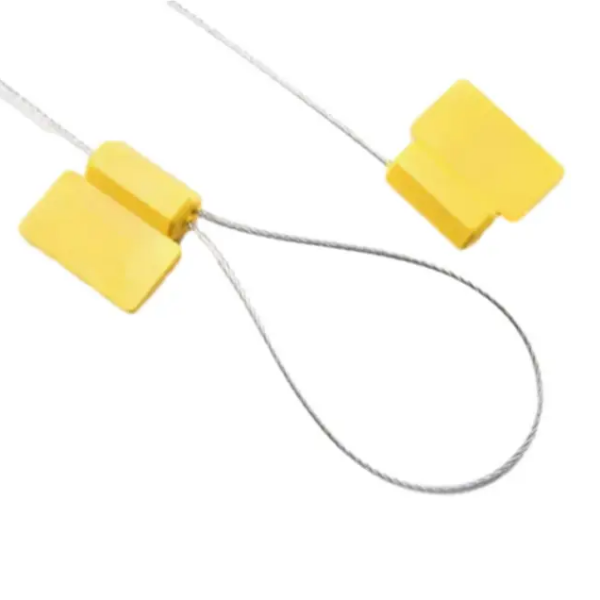
Manufacturing facilities often manage a large number of tools, components, and equipment items. Traditional manual tracking methods can become inefficient as the number of assets increases.
RFID Cable Tie Tags allow manufacturers to assign unique digital identities to equipment and improve asset management processes.
For example, maintenance teams can attach tags to tools and production equipment to record usage information, inspection history, and maintenance schedules.
This helps companies reduce asset loss, improve maintenance planning, and increase operational efficiency.
Many logistics operations depend on reusable assets such as containers, pallets, cages, and transport equipment.
Because these items move between different locations, manual tracking can be difficult and time-consuming.
RFID Cable Tie Tags provide a convenient solution because they can be attached securely without affecting the normal use of the asset.
Common applications include:
· Returnable transport containers
· Storage equipment
· Distribution assets
· Logistics tools
By improving asset visibility, companies can reduce losses and optimize the utilization of reusable equipment.
Electrical and communication systems often contain large numbers of cables that require accurate identification.
Traditional labels may not be suitable because cables have curved surfaces and are often located in environments with dust, heat, or limited access.
RFID Cable Tie Tags allow technicians to identify cable systems quickly and maintain accurate records during installation, inspection, and maintenance.
Applications include industrial wiring systems, telecommunications networks, power facilities, and data centers.
RFID Cable Tie Tags can also be used in outdoor environments where durability and secure attachment are important.
Agricultural operations may use RFID tags for equipment identification, animal management, and outdoor asset tracking.
Because cable tie tags do not rely on adhesive surfaces, they can remain effective in environments where traditional labels may have difficulty maintaining adhesion.
Although both products use RFID technology, their installation methods make them suitable for different applications.
Comparison Factor | RFID Cable Tie Tags | RFID Labels |
Surface Requirements | Suitable for irregular and curved objects | Requires relatively flat surfaces |
Installation Method | Mechanical fastening | Adhesive attachment |
Durability | Higher for demanding environments | More suitable for controlled environments |
Typical Applications | Cables, tools, containers, equipment | Products, packages, flat surfaces |
RFID Cable Tie Tags are generally preferred when secure attachment and long-term durability are more important than the lowest possible tag cost.
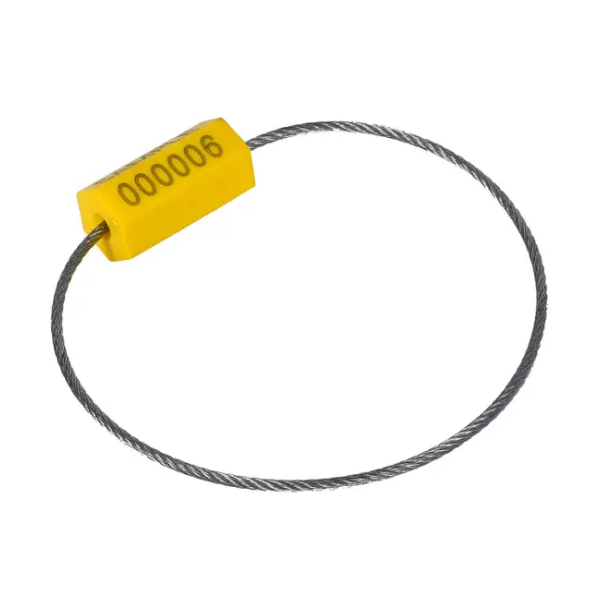
Frequency selection should match the reading requirements of the application.
HF and NFC cable tie tags are commonly used for short-range identification where users scan individual assets. UHF RFID Cable Tie Tags are often selected for industrial and logistics applications because they support longer reading distances and faster identification of multiple items.
Before choosing a frequency, companies should consider the existing RFID reader system and the expected scanning process.
The material of an RFID Cable Tie Tag affects its durability and performance.
Indoor applications may only require standard plastic materials, while outdoor and industrial environments may require stronger materials that can withstand temperature changes, moisture, and mechanical stress.
Companies should evaluate the installation environment before selecting the final tag structure.
Reading distance depends on multiple factors, including RFID frequency, chip type, antenna design, reader performance, and installation position.
A tag that performs well in laboratory testing may provide different results in a real working environment.
For this reason, companies should test RFID Cable Tie Tags on actual assets before large-scale deployment.
Different industries often require customized RFID solutions.
Customization options may include RFID chip selection, tag size, printing, numbering, encoding, and material selection.
For example, RFID Plastic Zip Tie Nylon Cable Tie Tag provides a practical RFID identification solution for applications requiring secure fastening and flexible installation.
Working with an experienced RFID manufacturer allows businesses to develop a product that matches their specific operational requirements.
Choosing the right RFID supplier is an important step in ensuring project success.
A professional manufacturer should provide more than standard RFID products. They should understand the customer’s application environment and provide suitable recommendations regarding frequency, materials, attachment methods, and testing.
Before large-scale production, businesses should verify RFID performance in real operating conditions. Sample testing can help confirm whether the selected RFID Cable Tie Tag meets reading distance, durability, and installation requirements.
A reliable RFID manufacturer can help reduce development risks and ensure consistent product quality during mass production.
RFID Cable Tie Tags provide an effective solution for tracking assets that cannot be easily identified with traditional RFID labels. Their secure fastening structure makes them suitable for irregular objects, industrial equipment, logistics assets, and outdoor applications.
When selecting an RFID Cable Tie Tag, businesses should consider the asset type, installation environment, RFID frequency, reading distance, and customization requirements.
With professional RFID manufacturing experience, JH Card provides customized RFID Cable Tie Tags, RFID Zip Tie Tags, and RFID Asset Tracking Tags for customers worldwide. Contact JH Card today to discuss your application requirements and develop a suitable RFID tracking solution.
RFID Cable Tie Tags are mainly used for tracking cables, tools, equipment, containers, and other assets that are difficult to label with traditional RFID stickers.
RFID Cable Tie Tags use a fastening structure to attach around objects, while RFID labels rely on adhesive backing and are mainly designed for flat and smooth surfaces.
Yes. Many RFID Cable Tie Tags are designed with durable materials that allow them to work in outdoor and industrial environments, but the specific material should be selected according to the application conditions.
The right choice depends on the asset shape, working environment, required reading distance, RFID frequency, and customization requirements.


