

Views: 0 Author: Site Editor Publish Time: 2026-11-11 Origin: Site
Choosing the right RFID technology is an important decision for businesses planning an RFID Tracking System. Passive RFID Tags and Active RFID Tags both provide wireless identification capabilities, but they are designed for different application requirements.
Factors such as tracking distance, budget, operating environment, and data requirements all influence which RFID solution is the better choice. Understanding the difference between passive and active RFID technology helps businesses avoid unsuitable investments and build a more efficient tracking system.
As an experienced RFID solution provider, JH Cardprovides customized RFID tags and identification solutions for different industries, including logistics, retail, manufacturing, and asset management.
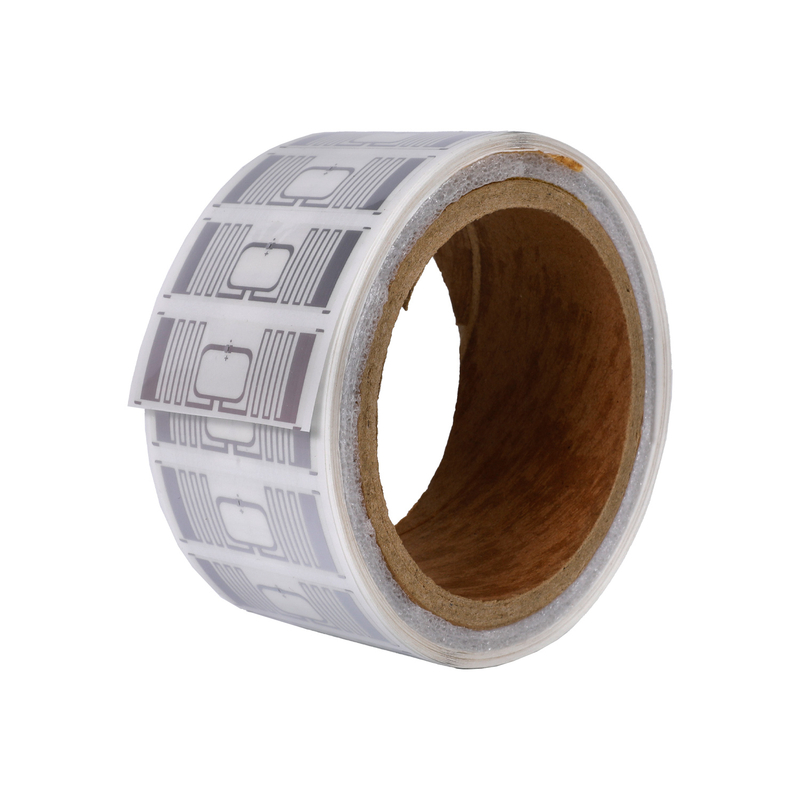
Passive RFID Tags are RFID tags that do not contain an internal battery. Instead, they receive energy from the radio frequency signal transmitted by an RFID reader and use that energy to communicate stored information back to the reader.
Because passive tags do not require batteries, they have a simpler structure, longer service life, and lower production cost. These characteristics make them one of the most widely used RFID solutions for large-scale identification applications.
Passive RFID Tags are commonly used in industries where companies need to identify large quantities of products or assets efficiently.
Typical applications include inventory management, retail tracking, warehouse operations, access control, and logistics identification.
One of the biggest advantages of passive RFID technology is scalability. Since each tag is relatively inexpensive and does not require battery replacement, businesses can deploy thousands or even millions of tags without significant maintenance costs.
For example, RFID Passive PET RFID Tags is designed for applications that require reliable identification and longer reading distances.
Active RFID Tags operate differently because they contain their own internal battery. The battery allows the tag to actively transmit signals, which provides longer communication distances and additional functionality.
Because active tags have their own power source, they are often used in applications where real-time location tracking or continuous monitoring is required.
For example, companies managing valuable industrial equipment may need to know the exact location of assets at any moment. In these situations, active RFID Tags can provide more advanced tracking capabilities compared with passive solutions.
However, the additional battery components also increase the complexity and cost of active RFID Tags. Battery life becomes an important consideration because tags may require replacement or maintenance after extended use.
Active RFID technology is generally selected when businesses need longer reading ranges, real-time data transmission, or advanced monitoring features.
Although both passive and active RFID Tags use radio frequency communication, their designs make them suitable for different business requirements.
Comparison Factor | Passive RFID Tags | Active RFID Tags |
Power Source | Powered by RFID reader signal | Internal battery powered |
Reading Range | Short to medium range | Longer range |
Cost | Lower cost | Higher cost |
Maintenance | Minimal maintenance | Battery replacement required |
Service Life | Usually longer | Limited by battery life |
Typical Applications | Inventory, retail, logistics | Real-time tracking, large assets |
The best choice depends on whether the business prioritizes low-cost identification at scale or advanced tracking capabilities.
Retail companies use Passive RFID Tags to improve inventory accuracy and reduce manual counting work.
Traditional inventory processes require employees to scan products individually or check items manually. This can be time-consuming and may result in inaccurate records.
With passive RFID technology, businesses can identify multiple products more efficiently and maintain more accurate inventory information.
Applications include:
· Clothing inventory
· Product tracking
· Warehouse replenishment
· Stock checking
Because passive tags are cost-effective, they are suitable for retailers managing large numbers of products.
Warehouses often manage thousands of products, containers, and assets that need accurate identification.
Passive RFID Tags help improve warehouse efficiency by enabling faster receiving, storage, and inventory processes.
For example, UHF Passive RFID Tags can be attached to pallets, packages, or containers, allowing warehouse operators to identify products without manually checking each item.
This improves inventory visibility and reduces the time required for stock management.
For logistics applications, passive RFID solutions are often preferred because businesses can deploy large numbers of tags while maintaining reasonable operating costs.
Passive RFID technology is also widely used for access control and identification applications.
Examples include:
· Employee ID cards
· Hotel key cards
· Membership cards
· Visitor management systems
Because passive tags are compact and require no battery maintenance, they are suitable for applications where users need reliable identification over long periods.
Active RFID Tags are commonly used in environments where businesses require continuous location monitoring.
Unlike passive tags that respond when scanned by readers, active tags can transmit signals independently because they have their own power source.
This makes them suitable for applications such as:
· Real-time asset location
· Personnel tracking
· High-value equipment monitoring
For example, hospitals, large facilities, and industrial sites may use active RFID systems to monitor important assets and improve operational control.
Large industrial facilities often manage expensive equipment that requires continuous monitoring.
Active RFID Tags can provide longer reading distances and support applications where assets move frequently or are located across large areas.
Industries such as manufacturing, energy, and transportation may use active RFID solutions for monitoring valuable equipment and improving maintenance management.
However, because active RFID systems require more investment, companies should carefully evaluate whether real-time tracking capabilities justify the additional cost.
Reading distance is one of the most important factors when selecting RFID technology.
Passive RFID Tags are suitable for applications where assets pass near RFID readers or where short-to-medium reading distances are sufficient.
Active RFID Tags are better suited for situations where businesses need longer communication ranges or continuous location monitoring.
Before selecting a solution, companies should evaluate the physical size of the tracking area and how frequently assets need to be identified.
Cost is another major consideration.
Passive RFID Tags generally have a lower unit cost, making them suitable for applications involving thousands or millions of tagged items.
Active RFID Tags require batteries and more complex hardware, which increases initial investment and maintenance costs.
Businesses should consider both the initial equipment cost and long-term operating expenses before making a decision.
Different RFID applications require different levels of data visibility.
If a company only needs product identification and inventory updates, passive RFID technology is often sufficient.
However, if the business requires real-time location information, movement tracking, or continuous monitoring, active RFID may provide better performance.
Understanding the actual business objective is more important than simply choosing the more advanced technology.
Before selecting an RFID solution, businesses should evaluate their actual tracking requirements.
Question | Recommendation |
Do you need long-range tracking? | Active RFID may be more suitable |
Do you need low-cost identification at scale? | Passive RFID is usually preferred |
Do you need millions of tags? | Passive RFID provides better scalability |
Do you need real-time location information? | Active RFID provides stronger capabilities |
This evaluation process helps companies choose an RFID solution that matches both technical requirements and business goals.
Selecting the correct RFID technology requires a clear understanding of the application environment.
Many businesses do not need the most advanced RFID solution. Instead, they need a system that provides reliable performance at a reasonable cost.
For example, warehouse inventory projects often benefit from passive UHF RFID solutions because they require large quantities of affordable tags. On the other hand, large industrial asset monitoring projects may require active RFID because real-time location information is more valuable.
A professional RFID supplier can help companies evaluate application requirements and recommend the appropriate technology.
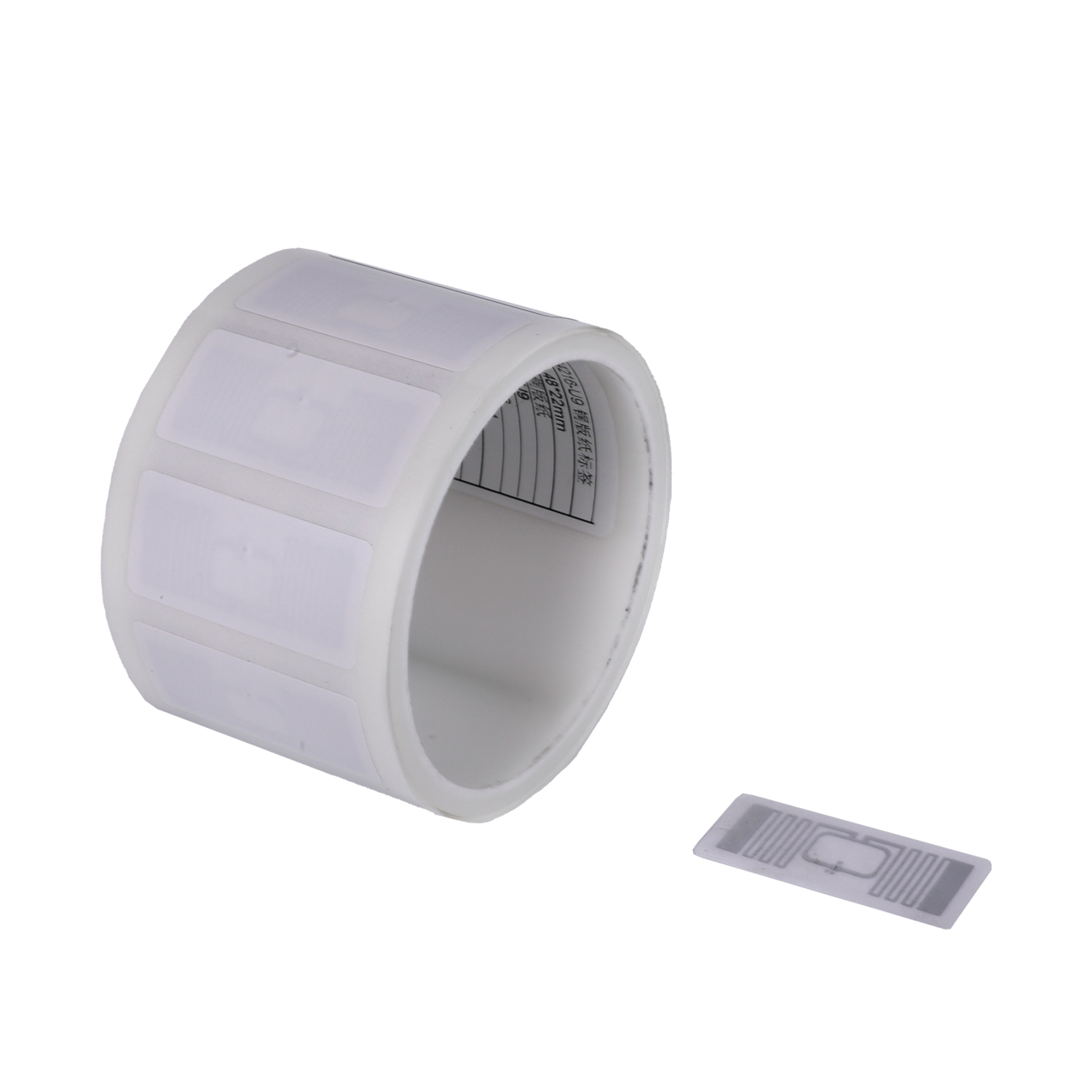
For passive RFID applications, products such as Passive ISO18000-6C Wet Inlay UHF RFID Tag Label provide reliable identification solutions for logistics and inventory applications
Choosing the right RFID manufacturer is an important part of building a successful tracking system.
A professional supplier should provide customized product recommendations, stable production quality, and technical support throughout the project.
Businesses should consider factors such as RFID frequency, tag durability, reading performance, customization options, and compatibility with existing RFID equipment.
Working with an experienced manufacturer allows companies to test solutions before large-scale deployment and reduce risks during implementation.
Passive RFID Tags and Active RFID Tags are designed for different business needs. Passive RFID provides a cost-effective solution for large-scale identification, while active RFID offers longer range and real-time tracking capabilities.
The right choice depends on application requirements, tracking distance, budget, and data expectations.
With professional RFID manufacturing experience, JH Card provides customized Passive RFID Tags, Active RFID Tags, and RFID Tracking System solutions for customers worldwide. Contact JH Card today to discuss your project requirements and find the right RFID solution for your business.
The main difference is the power source. Passive RFID Tags receive energy from RFID readers, while Active RFID Tags use internal batteries to transmit signals.
Neither technology is better for all applications. Passive RFID is usually better for low-cost large-scale tracking, while active RFID is better for long-range and real-time monitoring.
Yes. Passive RFID Tags are widely used in warehouses because they provide affordable identification for large numbers of products, pallets, and assets.
The choice depends on required reading distance, budget, tracking objectives, environment, and whether real-time location information is needed.


