

Views: 0 Author: Site Editor Publish Time: 2026-02-25 Origin: Site
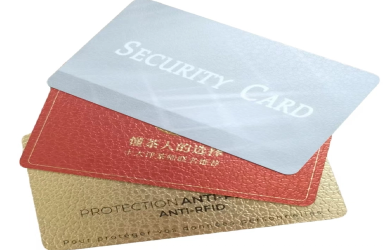
When buyers choose a Leather Surface RFID Access Control Card, they often ask whether the surface is genuine leather or PU leather—and whether that difference affects RFID read performance. This is an important question because such cards are usually selected for both appearance and function.
In many projects, the card is more than an access credential. It may also represent brand image, service level, or user identity. Hotels, clubs, offices, and membership programs may prefer a leather-surface design because it looks and feels more premium than a standard card. At the same time, buyers need stable performance in daily access use.
In most cases, the surface material itself does not directly determine RFID read performance. Read stability depends more on the chip, antenna design, card structure, production quality, and the actual reader environment. However, surface material can still have an indirect impact through thickness, lamination, and decorative processing.
A Leather Surface RFID Access Control Card is chosen for aesthetics and usability. Buyers want a premium look without sacrificing read reliability. If the card looks good but responds inconsistently at the reader, it creates a poor user experience.
Distributors and project buyers usually evaluate:
visual quality
durability
batch consistency
budget
read performance
Because “leather surface” sounds different from a standard RFID card, many buyers worry that the surface layer may weaken signal performance. This is why the material question often comes up early in procurement discussions.
Many people assume decorative surfaces automatically reduce RFID performance. In reality, the more important factors are the internal RFID design and manufacturing consistency. The right question is not only “genuine leather or PU?” but also how the card is built and tested.
A typical Leather Surface RFID Access Control Card includes:
RFID chip
antenna
card core structure
decorative surface layer (genuine leather or PU leather)
The RFID function comes from the chip-and-antenna system inside the card. The leather surface mainly affects appearance and touch.
It is useful to separate:
RFID working layer (chip + antenna + internal structure)
surface layer (visible finish)
In a well-made card, the surface layer usually has limited direct impact on reading. Problems are more likely to come from thickness variation, unstable lamination, or poorly planned decorative elements.
Leather-surface RFID cards are often used for:
premium membership cards
hotel access cards
club or office credentials
VIP visitor cards
branded access cards
These applications value both design and practical performance.
Genuine leather is often chosen for a more premium, natural texture and feel. It may suit high-end branding projects. However, natural materials can show variation in grain and appearance, so sample approval is important.
PU leather is often preferred for better consistency in large-volume production. It can provide a leather-like look while supporting more uniform color and texture across batches.
Whether using genuine or PU leather, buyers should review real samples and check:
texture consistency
edge finishing
bonding quality
scratch visibility
overall hand feel
Durability also matters, since access cards are used frequently and exposed to friction, bending, and moisture in daily handling.
For a Leather Surface RFID Access Control Card, read performance depends mainly on:
chip selection
antenna design and tuning
card structure
production accuracy
reader compatibility
use environment
This is why surface material alone is not a reliable predictor of RFID performance.
In most normal access control scenarios, the difference between genuine leather and PU leather will have little to no noticeable effect on reading performance if the card is properly designed and manufactured.
Surface material may indirectly influence performance through:
If the decorative layer changes total thickness or makes the structure inconsistent, performance may become less stable in some systems.
Poor lamination or uneven adhesive layers can create card-to-card variation, even if the same material is used.
Finishes such as metallic or foil-style effects should be planned carefully so they do not interfere with the card’s functional design.
A well-made PU leather card can perform better than a poorly made genuine leather card, and vice versa. In practice, engineering and process control matter more than the material label.
The card must match the target access control system. Compatibility with the intended reader is more important than surface material choice.
Antenna design and tuning strongly affect read stability. Even cards with the same surface material can perform differently if antenna design differs.
Uniform structure and thickness help maintain consistent performance and user experience across a batch.
Reader model, installation quality, reading angle, and user behavior all affect real-world performance. Testing should reflect actual use conditions.
Choose genuine leather when premium feel and natural texture are top priorities.
Choose PU leather when batch consistency, scalability, and cost control are more important.
Neither option is automatically better for RFID performance.
Different projects have different priorities:
premium membership / VIP access: brand image and tactile quality
hotel use: appearance + durability + consistency
office access: reliability and repeat use
branded credentials: finish quality and customization
The best decision usually comes from balancing:
appearance and feel
functional reliability
consistent production quality
Before moving into bulk production, make sure the material specifications are clearly defined and agreed upon in writing. This helps avoid misunderstandings between sample approval and final delivery. Key points to confirm include:
whether the surface is genuine leather or PU leather
the expected finish style (e.g., matte, glossy, embossed effect)
color expectations and acceptable color variation range
texture requirements (grain pattern, softness, consistency)
the visual acceptance standard for mass production (including edges, surface marks, and overall appearance)
Clear alignment on these details is especially important for branded or premium projects where appearance consistency directly affects customer perception.
In addition to the surface material, buyers should also confirm the card’s structural and functional expectations before production begins. This reduces the risk of performance variation across batches. Important items to confirm include:
target card thickness and acceptable tolerance range
expectations for sample-to-batch consistency in both appearance and performance
RFID compatibility requirements with the intended access control system
the read performance test method used during sample approval (reader type, test conditions, and pass criteria)
These confirmations help ensure that the approved sample is not only visually acceptable, but also functionally representative of the final production batch.
Do not rely on only one sample for approval. A single sample may look and perform well, but it may not reflect batch consistency. It is better to compare multiple samples to evaluate:
appearance uniformity
surface finish consistency
edge and bonding quality
read performance stability across different pieces
This step gives buyers a more reliable basis for mass production approval and helps reduce quality disputes later.
Yes, but performance and durability depend on the card’s construction and sealing quality. For humid or high-wear use, sample testing is recommended before mass production.
They can be used, but design and placement must be controlled. Decorative elements that affect thickness or include metallic materials should be tested during sample approval.
Request clearly labeled samples and compare multiple pieces. Check texture consistency, edge finishing, bonding quality, and wear resistance under normal handling.
Use the same reader system, the same functional requirements, and the same testing conditions. Compare read consistency, finish quality, and batch stability—not only price.
For a Leather Surface RFID Access Control Card, the choice between genuine leather and PU leather usually influences the card’s appearance, tactile feel, and market positioning more than its core RFID read capability. In most practical applications, stable and consistent read performance depends far more on the RFID chip selection, antenna design and tuning, card structure, manufacturing consistency, and real-world testing conditions than on the decorative surface material itself.
For buyers, the safest and most practical purchasing approach is to evaluate the complete card design rather than focusing on surface material alone. It is also important to confirm project requirements clearly with the manufacturer, including material expectations, visual standards, compatibility needs, and testing criteria. Before mass production, testing multiple samples on the actual access control system helps reduce risk and improves confidence in both product quality and performance consistency.


