

Views: 0 Author: Site Editor Publish Time: 2026-10-12 Origin: Site
Selecting the right hotel key card is an important decision for hotels, resorts, and access control providers. A suitable RFID hotel key card should not only meet appearance and cost requirements but also work smoothly with the existing door lock system, encoder, RFID technology, and security settings.
Choosing an incompatible card may result in failed room access, additional replacement costs, and unnecessary inconvenience for hotel staff and guests. With professional RFID manufacturing experience, JH Card provides customized hotel access card solutions designed to meet different lock system requirements and hospitality applications.
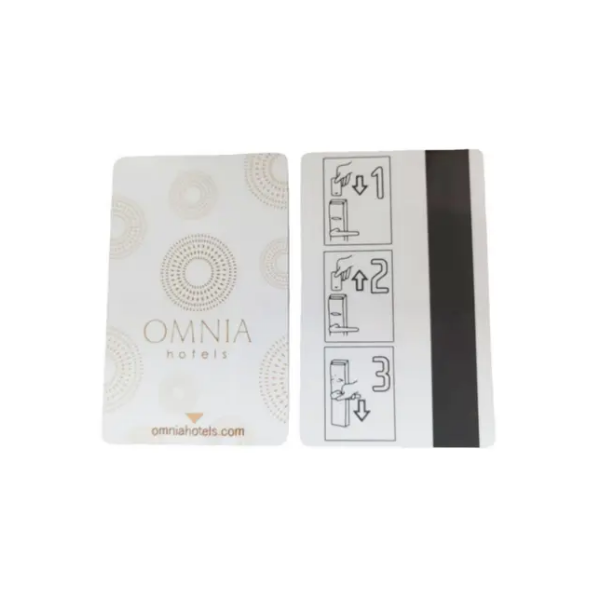
An RFID hotel key card is not an independent product. It works as part of a complete hotel access control system where the card, encoder, management software, and electronic door lock must communicate correctly.
Many hotels focus mainly on card design and unit price during purchasing. However, technical compatibility is the key factor that determines whether the card can provide stable performance in daily hotel operations.
When a guest checks in, the hotel management system creates access permission according to the guest's room number and stay period. The encoder then writes this information into the RFID hotel key card. When the guest presents the card near the door lock, the RFID reader verifies the card information and unlocks the door if the authorization is valid.
Understanding this process helps hotel buyers avoid purchasing cards that appear suitable but fail during actual use.
A complete hotel RFID access system usually consists of four major components: the hotel management system, encoder, RFID hotel key card, and door lock.
Each part has its own technical requirements. The card must match the communication method and encoding system used by the hotel lock. If one component does not match correctly, the entire access process may fail.
For example, a hotel using VingCard or Saflok electronic locks cannot simply choose any RFID card from the market. The selected card needs to support the required chip technology and encoding method.
This is why experienced hotel RFID card suppliers usually request detailed information about the customer's existing lock system before recommending a solution.
Although magnetic stripe cards were widely used in hotels in the past, RFID hotel key cards have gradually become the preferred choice for modern hospitality applications because they offer better durability, convenience, and security.
Comparison | RFID Hotel Key Card | Magnetic Stripe Hotel Card |
Reading Method | Contactless communication | Physical swiping required |
Durability | Resistant to daily wear and damage | Easily affected by scratches |
Security | Supports encryption technology | Easier to duplicate |
User Experience | Faster and more convenient access | Requires correct card swiping |
For hotels planning new construction projects or upgrading existing access systems, RFID technology provides a more reliable long-term solution.
Before purchasing RFID hotel key cards in bulk, hotels should confirm whether the selected card is compatible with their existing lock system.
A card with excellent manufacturing quality may still fail if it does not communicate correctly with the hotel encoder or door lock. Therefore, compatibility testing should always be completed before mass production.
The first step is identifying the brand and model of the hotel door lock system.
Common hotel lock brands include VingCard, Saflok, Onity, SALTO, and Kaba. Different manufacturers may use different card requirements, even when they operate under similar RFID standards.
For hotels using VingCard systems, selecting a VingCard compatible key card can help ensure smooth integration. Hotels using Saflok systems should also choose cards that match Saflok encoding requirements.
Providing accurate lock information allows suppliers to recommend the correct card solution and reduces unnecessary testing time.
Most hotel RFID key cards use 13.56MHz technology, but frequency alone does not determine whether a card will work correctly.
The internal RFID chip is equally important because different chips provide different levels of security, memory capacity, and application flexibility.
Common chip options include MIFARE Classic, MIFARE DESFire, and NFC-compatible chips.
A professional supplier should evaluate the complete access system instead of selecting a card only according to frequency.
Hotels looking for a flexible solution can consider RFID Hotel Key Card for RFID Keycard Lock, which supports different hotel access applications and customization requirements.
One common mistake during RFID hotel card procurement is assuming that cards with the same frequency are automatically compatible.
For example, two 13.56MHz RFID cards may use different chip structures, encryption methods, or encoding procedures. As a result, one card may operate correctly while another cannot communicate with the hotel lock.
Therefore, hotels should always confirm compatibility through technical evaluation and sample testing before placing large orders.
A reliable hotel RFID card supplier should provide technical guidance and help customers select the correct card according to their actual system requirements.
Different hotels have different requirements depending on their security standards, property type, and budget. Choosing the right RFID chip helps hotels balance access reliability, security performance, and operating costs.
MIFARE Classic remains one of the most commonly selected chips for standard hotel access applications.
Its advantages include stable performance, wide compatibility, and cost efficiency. It is suitable for many business hotels, apartments, and standard hospitality projects where reliable room access is the primary requirement.
For hotels looking for a practical and economical RFID hotel key card solution, MIFARE Classic remains a popular choice.
Hotels with higher security requirements may choose MIFARE DESFire technology.
Compared with standard RFID solutions, DESFire provides stronger encryption capabilities and improved authentication performance. It is often used in premium hotels, resorts, and projects requiring advanced access control management.
For international hotel groups and high-end hospitality projects, enhanced security features can provide better protection against unauthorized access.
The hospitality industry is gradually adopting smart technologies to improve guest experience.
NFC-compatible hotel cards can support additional functions beyond traditional door access, including smartphone interaction and smart service applications.
As hotels continue moving toward digital experiences, NFC technology provides more possibilities for future upgrades.
Before placing a large production order, sample testing is an essential step in the purchasing process.
A professional supplier should help hotels verify whether the card works correctly with existing locks and encoding systems before starting mass production.
Testing samples allows hotels to evaluate real performance under actual operating conditions.
The testing process usually includes:
Testing Item | Purpose |
Door opening test | Confirm compatibility with hotel locks |
Encoding test | Verify successful data writing |
Multi-room test | Ensure stable operation across different rooms |
Durability test | Evaluate long-term daily usage |
This process reduces the risk of receiving thousands of cards that cannot be used properly.
Besides system compatibility, card manufacturing quality also affects long-term hotel operation.
A reliable RFID hotel key card manufacturer should control every production stage, including chip embedding, printing, lamination, and functional testing.
Hotels should also consider supplier experience, production capacity, customization ability, and quality management before making a final decision.
With years of experience in smart card manufacturing, JH Card provides customized RFID hotel key card solutions for global customers, supporting different chip options, printing requirements, and access control applications.
Choosing the right RFID hotel key card requires more than comparing prices. Hotels need to consider lock compatibility, RFID technology, chip selection, testing procedures, and supplier capability.
A properly selected RFID card solution can improve guest experience, reduce operational problems, and provide better long-term value.
With professional manufacturing experience and customized smart card solutions, JH Card helps hotels and access control partners worldwide build reliable and efficient RFID access systems.
No. RFID hotel key cards must match the hotel lock brand, encoder, chip type, and system requirements before use.
Most modern hotel key cards use 13.56MHz RFID technology, but compatibility also depends on the chip type and lock system.
Yes. Sample testing helps confirm compatibility and prevents problems during large-scale production.
Hotels should consider supplier experience, manufacturing capability, customization options, quality control, and technical support.


