

Views: 0 Author: Site Editor Publish Time: 2026-05-29 Origin: Site
Transitioning from traditional visual tags to digital tracking is no longer just an option for modern agribusiness—it is a regulatory and operational necessity. Tightening biosecurity standards, such as the upcoming USDA mandates, labor shortages, and the rise of Precision Livestock Farming (PLF) force a rapid technological shift. Large and small farm operators struggle daily with manual counting errors, delayed disease containment, and livestock theft. However, adopting a new hardware ecosystem requires navigating conflicting technical standards and evaluating hidden implementation costs. You must understand exactly how this technology fits into your daily operations. This guide breaks down the technical realities, hardware evaluation criteria, and verifiable return on investment of implementing RFID Animal Ear Tags. We provide a vendor-agnostic framework to inform your next hardware investment and secure your animal supply chain.
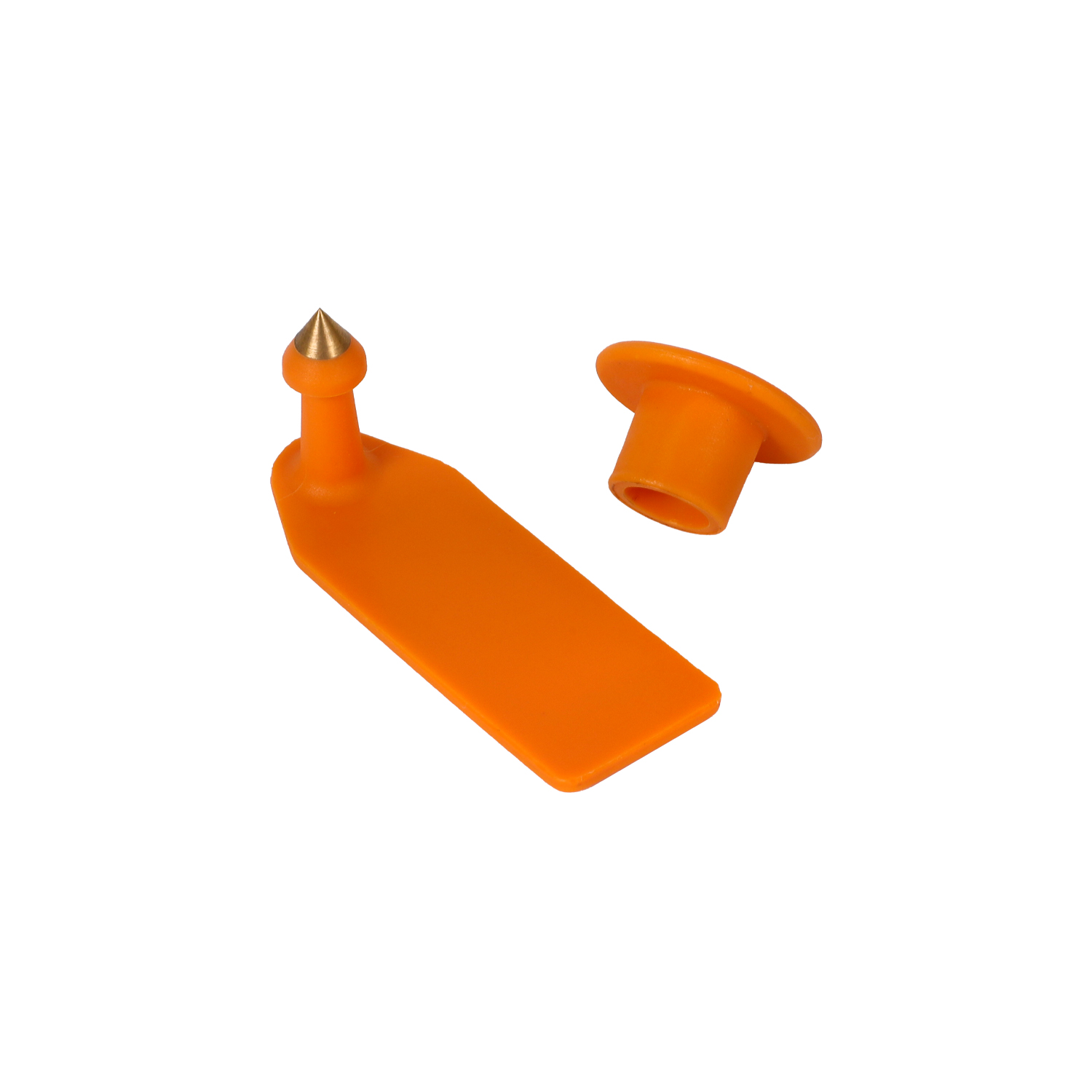
Operational ROI: Automating data collection with RFID directly reduces labor costs, eliminates manual entry errors, and provides verifiable supply chain traceability for compliance.
Hardware Realities: Not all tags are equal. Understanding the physical limitations of low-frequency (LF) versus ultra-high frequency (UHF) is critical for environments heavy in moisture, mud, and animal tissue.
Data Beyond Identification: Modern RFID systems act as the foundation for IoT-driven farm management, enabling granular tracking of veterinary history, estrus cycles, and breeding pedigrees.
Risk Mitigation: Successful adoption requires addressing infrastructure gaps (e.g., lack of farm-wide Wi-Fi), evaluating overall system costs, and running closed-loop pilot programs before scaling.
Proving the value of a digital tracking ecosystem requires looking beyond abstract technological promises. You must frame the benefits as tangible business outcomes and strict risk mitigation strategies. Every farm faces labor constraints and tightening margins. Adopting digital identification directly addresses these operational vulnerabilities.
Traditional herd management relies heavily on physical corralling and manual clipboarding. These outdated methods consume hundreds of labor hours annually. They also introduce high margins of human error. Passive livestock RFID tag systems completely replace these bottlenecks. You can install fixed readers at strategic feed stations, water troughs, or entry gates. These readers automate daily headcounts with near-100% accuracy. Farmhands no longer need to read muddy, faded plastic numbers individually. Animals move naturally through standard pathways while the system updates inventory counts in real time. This seamless integration drastically reduces animal stress and frees up your staff for higher-value tasks.
Livestock theft remains a significant threat to agricultural profit margins. Digital tags offer robust mechanical security through tamper-evident designs. If someone attempts to forcefully remove a tag, the action physically destroys the microchip's internal antenna. This permanently neutralizes the device's resale value and prevents fraudulent reassignment. Furthermore, real-world data demonstrates massive baseline improvements in stray recovery. When you integrate these tags with modern geofencing software, boundary breaches trigger immediate alerts. Farms utilizing these security protocols report drastically higher recovery rates for stray cattle compared to traditional branding or visual tagging alone.
The international agricultural market aggressively pushes for total supply chain transparency. Modern farms must align their operations with rigid FAO and OIE international standards to maintain export eligibility. Domestically, the 2024 USDA mandate strictly enforces digital tracking for the interstate movement of specific cattle classes. Digital logs protect your farm during localized disease outbreaks. If an infection occurs, authorities can execute rapid contact tracing through the database. This allows for targeted quarantines rather than full-herd culls. Maintaining strict compliance protects your market access and ensures business continuity during agricultural crises.
Selecting the correct hardware physics determines the ultimate success or failure of your deployment. You must evaluate the operational environment before purchasing any equipment. Different radio frequencies behave uniquely when interacting with moisture, mud, and dense animal tissue.
Low-frequency technology remains the absolute industry standard for close-proximity animal scanning. These tags operate between 120 and 134.2 kHz.
Pros: LF signals offer exceptional penetration through liquids, dense mud, and animal tissue. They ignore environmental interference effectively. This makes them highly reliable in dirty, wet environments.
Cons: They suffer from extremely short read ranges, typically under 10 centimeters up to 1 meter. You must scan animals individually or in single-file lines.
Choosing an LF ear tag ensures veterinary precision. It forces farmhands to handle animals closely, which aligns perfectly with mandatory vaccination chutes and weight scale processing.
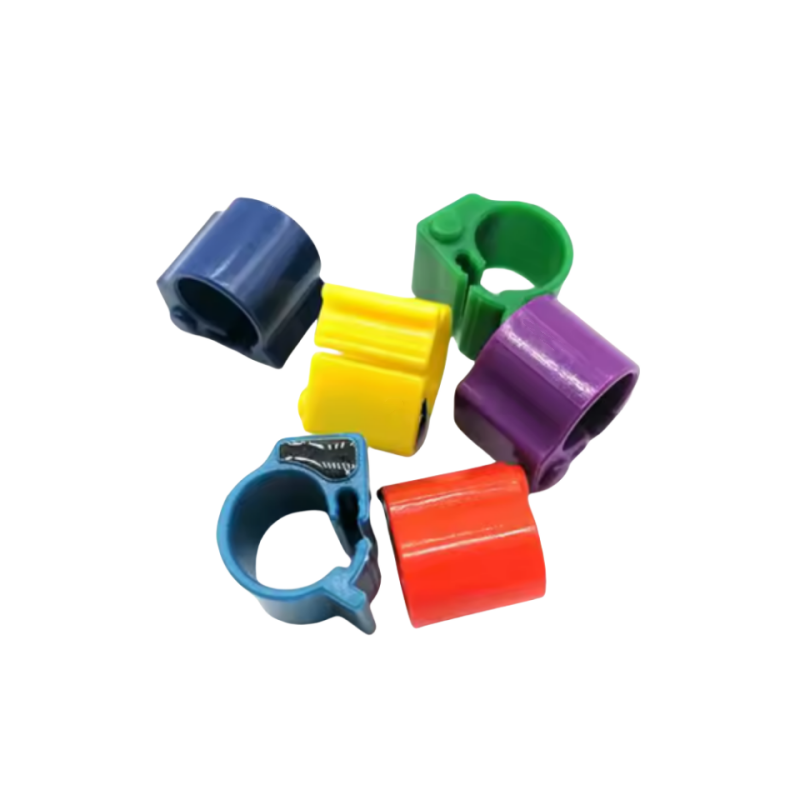
Ultra-high frequency technology operates between 860 and 960 MHz. It brings logistics-level scanning capabilities to the agricultural sector.
Pros: These tags boast long read ranges that can easily reach 10 meters or more. Built-in anti-collision protocols allow software to scan an entire moving herd simultaneously.
Cons: UHF signals are highly susceptible to absorption. Water, rain, and dense animal bodies actively absorb the radio waves. Metal fencing and heavy machinery also cause severe signal bounce and interference.
Deploying a UHF ear tag requires open environments. It suits rapid, large-scale inventory management where animals pass through wide, non-metallic gates.
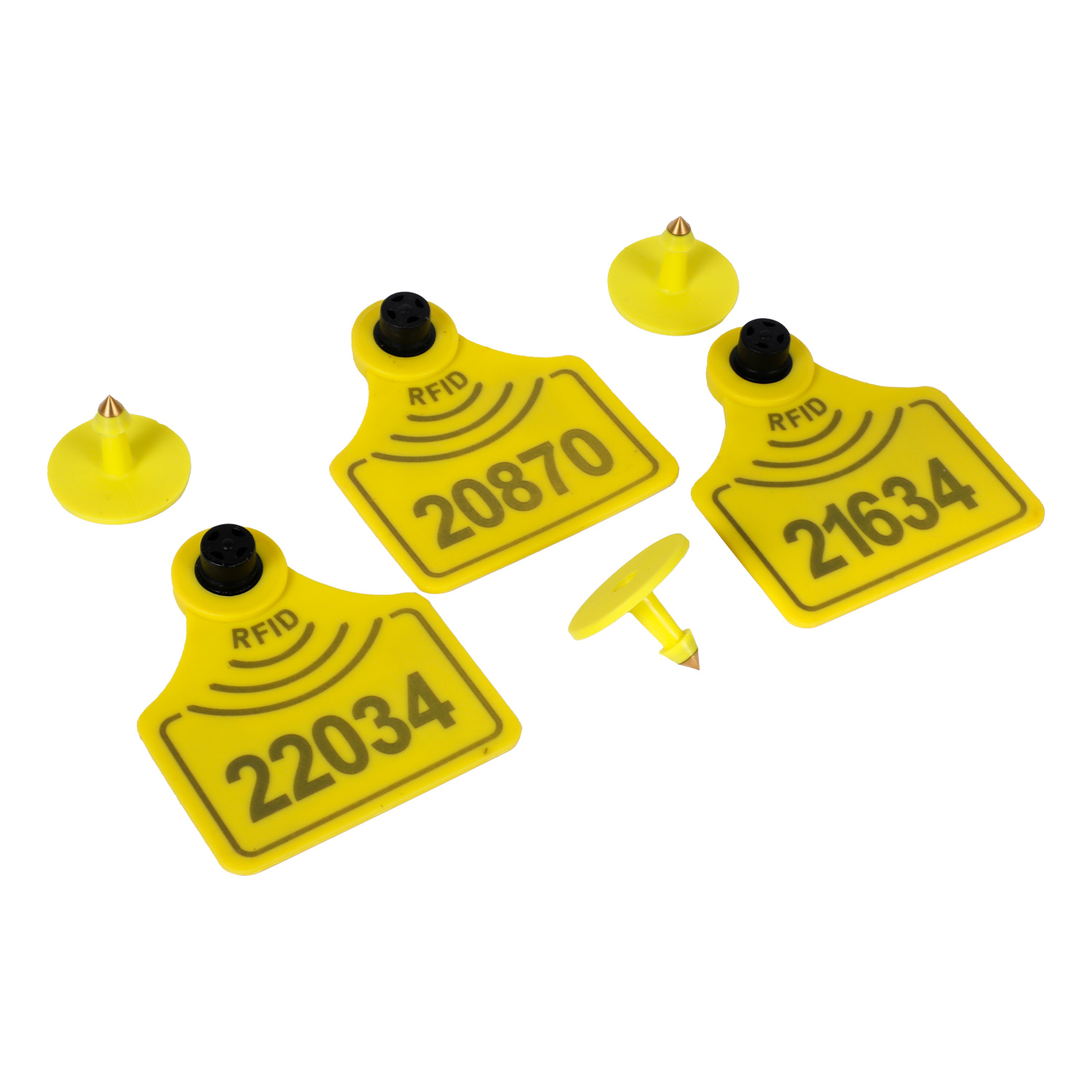
You must carefully match the radio frequency to your specific daily workflow. LF serves best for individual veterinary precision, extreme weather resilience, and strict regulatory compliance. UHF suits open feedlots focused on rapid, bulk inventory management. Review the technical comparison chart below to guide your final purchasing decision.
| Feature/Metric | Low Frequency (LF) | Ultra-High Frequency (UHF) |
|---|---|---|
| Frequency Range | 120 kHz - 134.2 kHz | 860 MHz - 960 MHz |
| Maximum Read Range | Up to 1 meter (typically < 30cm) | 10+ meters |
| Scanning Mode | Single-file / Individual processing | Bulk / Simultaneous herd scanning |
| Environmental Resilience | Excellent against mud, tissue, and water | Poor against moisture; easily absorbed |
| Best Use Case | Chute processing, veterinary compliance | Open feedlot inventory, wide gate counts |
Understanding the hardware provides only half the picture. You must recognize the specific data architecture driving these systems. An identification ear tag natively stores very little data. It primarily holds a unique Electronic Product Code (EPC). The true value emerges when management software maps this EPC to a comprehensive cloud or local database.
The EPC acts as a permanent digital license plate for the animal. Once scanned, the software immediately calls up a rich historical profile. You can trace exact birth dates, origin locations, and genetic lineages. The system logs parental EPCs to prevent inbreeding. It also links the digital code to physical visual ID numbers printed on the plastic casing. This dual-verification prevents confusion if a farmhand lacks a scanning device in the field.
Digital tracking revolutionizes veterinary care on the farm. You log vaccine types, exact dosages, and administration dates directly to a single animal’s profile. Active disease treatments trigger automated withdrawal period alerts. This prevents you from accidentally sending heavily medicated animals to market prematurely. Furthermore, you can flag specific genetic anomalies. This clinical tracking history ensures strict adherence to food safety protocols.
Advanced systems elevate basic tracking into full-scale Precision Livestock Farming. Software maps the unique ID to professional herd-grading frameworks. You can track Frame Scores, Body Condition variations, and Udder Scores across multiple seasons. Future-state integrations are already entering the market. Vendors now couple RFID identifiers with Bluetooth Low Energy (BLE) transmitters or physical accelerometers. These combined sensors monitor daily feeding frequency and detect subtle behavioral shifts. They can predict estrus cycles with astonishing accuracy, allowing you to optimize breeding windows and maximize herd profitability.
| Data Category | Specific Tracking Fields |
|---|---|
| Identity Basics | Visual ID, Birth Date, Sex, Origin Farm, Breed Percentage |
| Health Records | Vaccine History, Dosage Logs, Illness Events, Withdrawal Dates |
| Performance | Weaning Weight, Frame Score, Average Daily Gain (ADG) |
| Reproduction | Sire/Dam EPC, Estrus Dates, Calving Ease Score, Pregnancy Status |
We must address common objections transparently. Implementing a digital herd management system rarely happens without friction. Acknowledging these hurdles prepares you for a smoother rollout. Early preparation mitigates frustration and prevents costly operational downtime.
Remote pastures and dense rural areas often lack basic internet infrastructure. Farm-wide Wi-Fi or strong cellular service is a luxury many operators do not possess. You cannot rely on real-time cloud syncing in the field. Therefore, offline-capable handheld readers are an absolute necessity. These ruggedized devices store thousands of individual scans locally within their internal memory. Farmhands can scan animals out in the farthest pasture all day. The devices only batch-sync the collected data once they return to a designated network zone, such as the main office.
Digital tags undeniably cost significantly more upfront than traditional plastic visual tags. You must also purchase expensive handheld readers, fixed panel antennas, and ongoing software subscription fees. We frame this initial capital expenditure against long-term risk reduction. Automated tracking yields a massive reduction in daily labor overhead. It also minimizes emergency veterinary costs through early disease detection. Reducing stray losses and eliminating regulatory compliance fines further tip the scales toward a positive return on investment.
Small, direct-to-consumer (DTC) farmers rightfully express skepticism regarding data privacy. They worry about handing sensitive herd data over to large tech conglomerates or government agencies. Many small operators feel burdened by per-head tracking costs. They watch massive factory farms exploit group-identification exemptions, which feels inherently unfair. To combat this, we strongly advise small farms to select independent software vendors. Choose platforms that explicitly guarantee local data ownership. Ensure your contract prevents vendors from selling your operational metrics to third-party data brokers.
Moving from theory to actual deployment requires a structured approach. Do not rush into a massive hardware purchase without mapping your specific operational needs. Follow these actionable steps to ensure a successful integration.
Start by physically walking your farm. You must map out all structural choke points. Identify every processing chute, sorting scale, and transition gate. Understanding animal flow determines your hardware requirements. Narrow, high-traffic chutes demand fixed panel readers for automated scanning. Conversely, wide open pastures necessitate rugged handheld scanners for spot-checking. Proper placement prevents workflow disruptions and maximizes read rates.
Never purchase hardware blindly. You must ensure your chosen tags meet all regional and international compliance standards. For low-frequency applications, strictly demand ISO 11784 and ISO 11785 certification. This guarantees your tags communicate correctly with standard veterinary equipment and border inspection scanners. Adhering to open standards avoids proprietary vendor lock-in. You retain the freedom to switch software providers later without replacing every physical tag in your herd.
Do not attempt a full-farm rollout on day one. We highly recommend starting with a small, isolated test herd. Try tagging a single calf crop or a specific sick pen first. Use this pilot phase to measure actual tag retention rates. Watch for hardware failures or unexpected drop-offs caused by field debris. Furthermore, test the software usability. Ensure your least tech-savvy farmhands can operate the handheld readers comfortably. Gather feedback, adjust your reading procedures, and only scale the deployment once the pilot proves successful.
Transitioning to digital herd management redefines how you interact with your agricultural assets. RFID technology serves as much more than a simple identification tool. It operates as the foundational layer for predictive, data-driven agriculture. By capturing accurate, real-time data, you protect your profit margins and ensure long-term sustainability.
Balance Hardware and Environment: Always match physical realities—like mud and moisture—with the correct frequency. LF dominates close-range accuracy, while UHF excels in dry, open spaces.
Leverage Actionable Data: Ensure your software translates raw scans into functional veterinary and breeding insights.
Start Small: Audit your current manual tracking costs today. Use those figures to benchmark potential savings.
Take Action: Consult with an independent hardware specialist to design a localized pilot program tailored to your specific chute infrastructure.
A: No. Passive tags are energized entirely by the electromagnetic radio waves emitted by the reader. They contain no internal power source. This brilliant design makes them lightweight, highly cost-effective, and capable of lasting the animal's entire lifetime without ever needing maintenance.
A: Ear tags provide fast visual identification through printed numbers alongside digital tracking. They are relatively easy to apply and remove. Injectable microchips offer superior security against loss and tampering. However, they require extremely close scanning distances and provide no quick visual confirmation for field workers.
A: Yes. Most professional agricultural readers store thousands of individual scans locally directly on the device's memory. The data remains completely safe offline. You simply upload the batch records to your management software once the reader connects to a network at your office.
A: While technically possible depending on the chip, strict industry standards prohibit this. Compliance regulations, such as USDA rules, require agricultural tags to be uniquely assigned and tamper-evident. Removing them forcefully breaks the internal copper antenna, physically preventing any fraudulent reuse.


